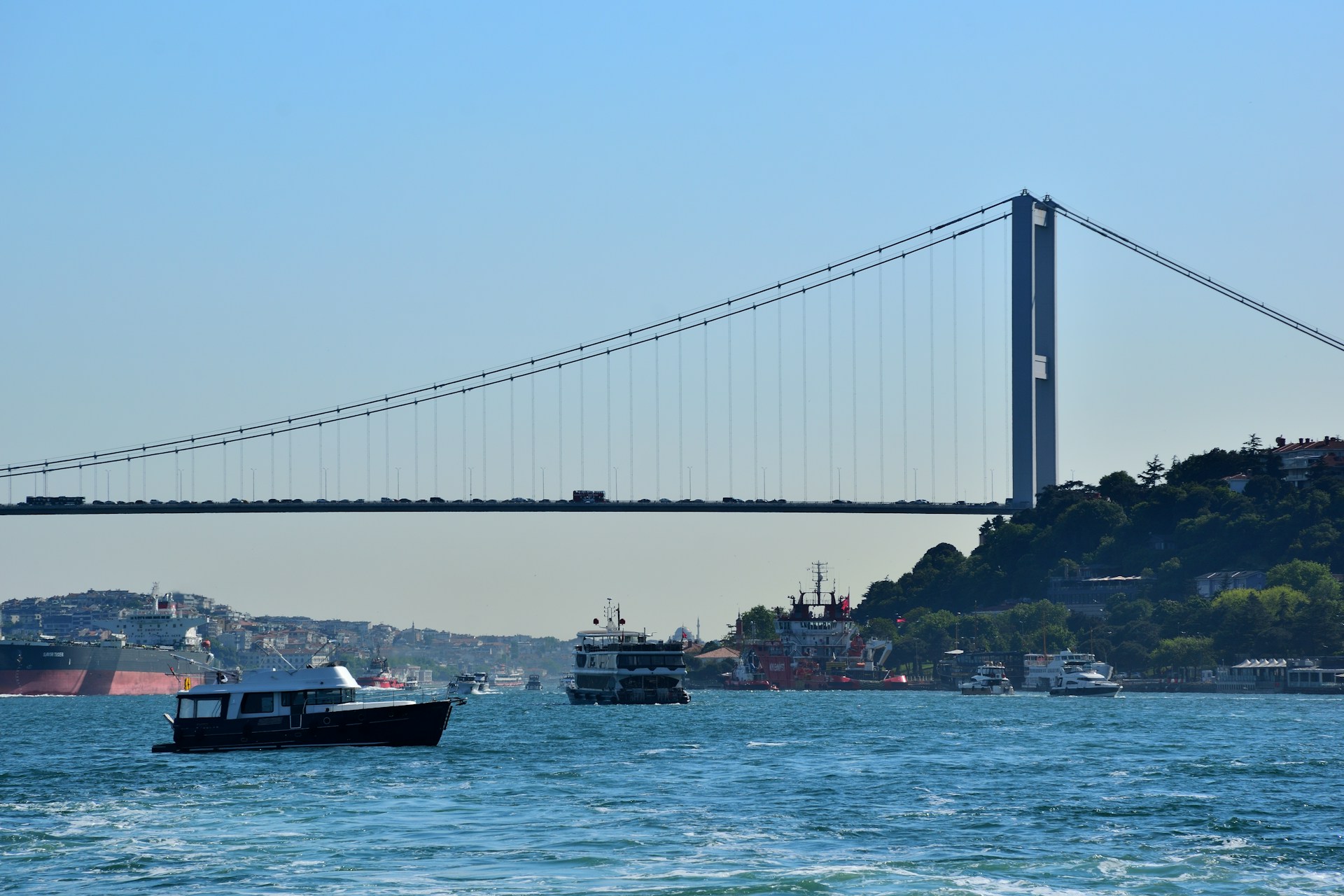
Why Visit Istanbul’s Asian Side?
Here’s a question worth sitting with before you book anything: would you rather visit a city, or live in it for a few days?
Istanbul’s European side is a stage. Hagia Sophia, the Blue Mosque, Topkapı Palace — these are monuments built to be seen, and they’re genuinely worth seeing. But cross the Bosphorus, and something shifts. The streets get wider. The pace drops. Nobody’s trying to sell you a carpet. This is Anatolia — the Asian side — and it’s where roughly two-thirds of Istanbul’s actual population lives, works, and eats dinner without a tourist menu in sight.

European vs Asian Side — Key Differences
The European side was built to impress sultans, sell to travelers, and host empires. The Asian side was built to house a city. That’s the entire difference, and it explains everything else:
- Density and pace: Sultanahmet and Beyoğlu pack their sights into walkable, tourist-dense clusters. Kadıköy, Moda, and Üsküdar spread out — tree-lined streets, wider sidewalks, fewer people stopping to hand you a menu.
- Pricing: A coffee, a lunch, a hotel room — expect noticeably lower prices here than in Sultanahmet or Galata, simply because the district is priced for residents, not visitors.
- Who you’ll share the street with: On the European side, especially around the major sights, a large share of the people around you are also tourists. On the Asian side, you’re mostly surrounded by Istanbullus running errands, meeting friends, and going to work.
None of this makes the Asian side “better.” It makes it different — and if your only image of Istanbul is minarets and Grand Bazaar haggling, it’s the missing half of the picture.
Who Should Stay or Visit Here
Not every itinerary benefits equally from crossing the water. Here’s a blunt breakdown:
- First-timers with 48 hours or less: Stay on the European side. You don’t have time to commute back and forth, and the big-ticket sights are all clustered around Sultanahmet.
- Repeat visitors: You’ve done the Hagia Sophia photo. Now go see how the city actually breathes.
- Digital nomads and long-stay travelers: Moda in particular has evolved into a legitimate remote-work base — more on that later.
- Budget travelers: The cost difference is real and adds up fast over multiple days.
- Food-focused travelers: Some of Istanbul’s most talked-about restaurants — Çiya Sofrası among them — are on this side, not the other.
If you’re the kind of traveler who wants to feel a city rather than just photograph it, the Asian side should be on your list regardless of trip length — even if it’s just a half-day.
Vibe Comparison: Kadıköy vs Moda vs Üsküdar
These three names get used almost interchangeably by first-time visitors, and that’s a mistake — they’re genuinely different neighborhoods with different personalities.
- Kadıköy is the engine room. Loud, secular, youthful, and dense with bars, record shops, and market stalls. Think of it as Istanbul’s answer to Brooklyn or Kreuzberg — a district defined by its independent culture rather than its monuments.
- Moda is technically a neighborhood inside the Kadıköy district, not a separate one — but it feels like its own world. A leafy peninsula of century-old trees, slow brunches, and a coastline made for aimless walking. If Kadıköy is the party, Moda is the quiet next-door neighbor who still throws a good dinner.
- Üsküdar sits apart, geographically and culturally. Further north, older, more religious, and home to some of the best Ottoman mosque architecture outside the historic peninsula. It’s also where you’ll find, arguably, the single best skyline view in the entire city.
You don’t have to choose. They’re connected by ferry, metro, and a shared coastline — most visitors see all three in a day or two.
Is It Worth Crossing the Bosphorus?
Yes — and not as a box-ticking exercise. The crossing itself is part of the experience: a 15–20 minute ferry ride across one of the world’s most storied waterways, with tea vendors, seagulls trailing the wake, and a skyline view you won’t get standing on solid ground.
Skip it, and you’ve essentially seen a beautifully preserved museum city without ever meeting the people who live in it. That’s a fair trip. It’s just not the whole one.
{Image: passenger ferry crossing the Bosphorus with Maiden’s Tower visible in the background}
Map & Orientation of Istanbul’s Asian Side
Overview of Districts
Technically, “the Asian side” is enormous — it stretches deep into the Anatolian mainland, covering districts most tourists will never hear of. Forget that scale. As a traveler, your entire world here is a narrow, walkable strip hugging the Bosphorus and the Sea of Marmara: Üsküdar in the north, Kadıköy in the middle, Moda hanging off its southern edge. Everything worth seeing sits within about a 20-minute ferry ride of everything else.
Kadıköy Area Breakdown
Kadıköy is the anchor point, and almost everyone’s first stop. Its center radiates out from the ferry terminals and the Bull Statue (Boğa Heykeli) — a bronze bull that’s become the district’s unofficial meeting point (“see you at the Boğa” is a genuinely common phrase here). From there, narrow grid-pattern streets fan out, packed with bars, produce markets, and record stores.
Moda Neighborhood Layout
Moda isn’t a separate district on any official map — it’s a neighborhood inside Kadıköy — but locals and visitors alike treat it as its own place, and for good reason. Walk south from the Bull Statue toward the water, and the transformation is gradual but unmistakable: streets get quieter, buildings get older and leafier, and by the time you reach the coastal park, you’ve left “downtown Kadıköy” behind entirely.
Üsküdar District Overview
North of Kadıköy, Üsküdar runs along the Bosphorus shoreline, staring directly across at Dolmabahçe Palace and the European skyline. It’s a different world architecturally and culturally — behind the waterfront, the district climbs into steep hills hiding older, quieter neighborhoods like Kuzguncuk.
Key Ferry Ports & Transport Hubs
Three names to know:
- Kadıköy İskelesi — the ferry terminal complex serving Eminönü, Karaköy, and Beşiktaş routes, plus intercity and Princes’ Islands ferries.
- Üsküdar İskelesi — Üsküdar’s equivalent, connecting to Eminönü and Beşiktaş.
- Harem — mostly car ferries and intercity bus connections, less relevant unless you’re driving or catching a long-distance coach.
Both Kadıköy and Üsküdar terminals also sit on or near metro and Marmaray stations, which is what makes this side of the city so easy to navigate without a car.
How to Get to the Asian Side
Ferry Routes (Best & Scenic Options)
The public ferry (vapur) isn’t just transport — it’s genuinely one of the best things about being in Istanbul, and skipping it to save fifteen minutes would be a mistake.
- To Kadıköy: Ferries run from Eminönü (about 20 minutes), Karaköy (20–25 minutes), and Beşiktaş, departing roughly every 20 minutes through the day.
- To Üsküdar: This is the short hop — Beşiktaş to Üsküdar takes around 10–15 minutes, one of the quickest ways to feel like you’ve “arrived” somewhere completely different in almost no time at all.
A practical note the draft glossed over: check the last ferry time if you’re planning a late night out. Şehir Hatları (the main operator) schedules vary by route and day of the week, and missing the last boat back means a much pricier taxi across the bridge.
Marmaray Line Explained
If the ferry is the romantic option, the Marmaray is the practical one. This is a commuter rail line running through a tunnel bored beneath the Bosphorus seabed — and the numbers are genuinely hard to believe until you’ve ridden it: Sirkeci to Üsküdar in about 4 minutes. You board on one continent and step off on another before you’ve finished reading a text message.
From Üsküdar, it’s a couple more stops to Ayrılık Çeşmesi, where you can transfer to the M4 metro line, or continue to Söğütlüçeşme, which is the Marmaray stop that actually puts you within walking distance of central Kadıköy and the Bull Statue. (Ayrılık Çeşmesi is the metro transfer point — Söğütlüçeşme is the one to get off at if Kadıköy itself is your destination. Guides that only mention Ayrılık Çeşmesi are technically correct but send you on a longer walk than necessary.)
Metro & Bus Connections
Landing at Sabiha Gökçen Airport (SAW) on the Asian side? The M4 metro line runs directly from the airport to Kadıköy, and the ride takes roughly 50–52 minutes, with trains every 5 minutes at peak times. A single fare runs around 40–45 TRY on your Istanbulkart — worth knowing before a taxi tout quotes you ten times that. It’s not fast, but it’s flat-rate, traffic-proof, and drops you right in the heart of Kadıköy.
The Metrobüs is the other workhorse — a dedicated bus lane that crosses the Bosphorus Bridge, connecting the far European suburbs directly into the Asian side without touching a ferry or the Marmaray.
Taxi & Ride Apps Tips
Uber and BiTaksi both work fine within the Asian side once you’re there. Where they get expensive and unreliable is crossing the Bosphorus — both road bridges are notorious for traffic, and a trip that should take 15 minutes can stretch to over an hour during rush periods. The local rule of thumb holds up: take the ferry or Marmaray to cross the water, then grab a taxi once you’re already on the correct continent.
Transport Cards & Costs
Your standard Istanbulkart — the same red card you’d use on the European side — works identically here: every ferry, every metro line, every bus, with the same transfer discounts applying whether you’re crossing continents or just changing buses. There’s no separate “Asian side” card or fare system to learn, which is one less thing to worry about.

Kadıköy — The Cultural & Food Hub
{Image: Kadıköy Çarşı market alley with fish stalls and hanging produce}
What Makes Kadıköy Unique
If Beyoğlu is Istanbul’s answer to a European capital’s nightlife district, Kadıköy is its answer to a neighborhood that never bothered performing for outsiders. It’s youthful, politically outspoken, and unapologetically local. There’s no imperial palace here, no UNESCO plaque — what you get instead is a street culture that’s been building itself organically for decades, one record shop and pickle stand at a time.
Kadıköy Market (Çarşı) Guide
The Kadıköy Çarşı is where the district’s identity crystallizes. Unlike the Grand Bazaar — which long ago pivoted toward tourist foot traffic — this market still runs on local grocery lists. Expect glistening fish counters, wheels of aged regional cheese, barrels of every olive variety Turkey produces, and the unmistakable smell of coffee roasting at Kurukahveci Mehmet Efendi, a roaster that’s been doing this since the early 1900s and still perfumes half the market.
Go hungry, and go slow. This isn’t a five-minute walkthrough — it rewards an unhurried hour or two.
Best Streets to Explore
- Bahariye Caddesi: The pedestrianized commercial spine of Kadıköy, complete with a nostalgic tram line (the T3) running down its center — genuinely one of the more charming ways to move through the neighborhood.
- Tellalzade Sokak: Kadıköy’s “Antique Street” — vintage furniture, old film cameras, and Ottoman-era bric-a-brac spilling out of narrow storefronts.
- Kadife Sokak: Known locally as “Bar Street.” This is nightlife ground zero, and it looks the part after dark.
Street Art & Creative Scene
Kadıköy’s building-sized murals aren’t accidental — they’re the legacy of the annual Mural Istanbul festival, which has brought international and Turkish street artists to paint the sides of apartment blocks across the district. You don’t need a guided tour to find them; wandering the backstreets without a fixed destination is the actual intended way to experience this.
Nightlife in Kadıköy
Loud, rock-leaning, and highly social. Crowds spill out of bars directly onto the street — a normal Tuesday night here can look like a small street party, with craft beer in hand and live music bleeding out from open doors.
Hidden Gems in Kadıköy
The Süreyya Opera House on Bahariye Caddesi is easy to walk past and shouldn’t be. Built in 1927 as Istanbul’s first musical theater on the Anatolian side, it spent most of the 20th century as a cinema before a 2007 restoration turned it into a proper opera and ballet venue — tickets run a genuine fraction of what you’d pay at comparable European houses, and the restored interior alone is worth a look even if you don’t catch a performance.
Things to Do in Kadıköy
Food Experiences
Start with lahmacun straight from a wood-fired oven — Borsam Taşfırın is the name locals reach for. Then do a self-guided pickle crawl through the market’s turşucu stalls, where a shot of tart pickle juice is a genuine local ritual, not a tourist gimmick (it’s an acquired taste — don’t say we didn’t warn you).
Local Shopping
The Akmar Passage is the place for browsing rather than buying with intent — independent comic shops, vinyl record stores, and sahaf (secondhand booksellers) packed floor to ceiling.
Cafés & Coffee Culture
Kadıköy’s backstreets are dense with micro-roasters and hidden courtyard cafés — the kind of spots where a laptop and a slow afternoon feel completely at home.
Bars & Live Music
This is where Istanbul’s indie and rock scene actually lives. Expect Turkish rock, heavy metal, and local bands rather than the polished DJ sets you’d find on the Bosphorus-front clubs of the European side — grittier, cheaper, and arguably more fun.
Cultural Spots
The Barış Manço Museum, in the Caferağa neighborhood near Moda, is the preserved home of one of Turkey’s most influential musicians — a pioneer of “Anatolian rock” who fused Turkish folk with Western rock sounds in the 1970s. The house was converted into a museum in 2010 with his family’s involvement, and it’s genuinely moving even if you’ve never heard his music before arriving. Full price entry runs around 82 TRY, student 49 TRY, and tickets are sold online only (not at the door) — worth booking ahead if you have your heart set on visiting.
Moda — Istanbul’s Most Relaxed Coastal Neighborhood
What Makes Moda Special
Technically, Moda isn’t its own district — it’s a neighborhood inside Kadıköy — but ask any Istanbullu and they’ll talk about it like a separate country. If Kadıköy is the loud opening act, Moda is the headliner that shows up late and doesn’t rush anything. It’s one of the most sought-after residential pockets in the city: century-old trees, seaside promenades, and a pace that makes “hurrying” feel like a foreign concept.
Moda Coast Walk
The coastal path wraps the entire peninsula, delivering uninterrupted views across the Sea of Marmara toward the distant Princes’ Islands. Expect joggers, cyclists, families with picnic blankets — this is where Kadıköy residents actually spend their Sunday mornings, not a curated photo-op.
Best Parks & Sea Views
Moda Sahil Parkı is the main green space touching the water. A short walk further inland, Yoğurtçu Park offers a quieter, shadier retreat — genuinely useful on a hot Istanbul summer afternoon when the coastal path has zero shade.
Trendy Cafés & Brunch Spots
Moda has fully mastered brunch culture: artisanal bakeries, vegan cafés, and design-forward coffee shops serving everything from a traditional Turkish spread to modern avocado toast. This is also where you’ll find some of the city’s better third-wave coffee — worth seeking out if you’ve been living on Turkish coffee and çay elsewhere in the city.

Digital Nomad Scene
Quiet streets, tree cover, and a genuinely high density of laptop-friendly cafés with solid Wi-Fi have turned Moda into Istanbul’s de facto remote-work base over the last several years. It’s not an accident — it’s a function of the neighborhood’s slower pace combined with easy ferry access to everything else in the city.
Things to Do in Moda
Sunset Spots
Walk to the Moda Pier (Moda İskelesi) — the elegant wooden structure extending out over the water. It has more history than most visitors realize: built in 1916–1917 by architect Vedat Tek, wrecked by a storm in 1937, and restored to service in 2001 with support from the local community (including Moda’s most famous former resident, musician Barış Manço). Today it’s simply the best perch on this side of the city to watch the sun set into the Marmara.
Boutique Shopping
Skip the chain stores — Moda is where Istanbul’s independent designers actually sell: sustainable clothing lines, handmade ceramics, and one-off jewelry you won’t find replicated across the city.
Ice Cream & Dessert Stops
Queuing at Ali Usta (officially Meşhur Dondurmacı Ali Usta) is close to a rite of passage here — it’s been scooping since 1969, with around 30 traditional flavors including the shop’s signature Santa Maria. Pistachio and almond are reliable choices. A fair heads-up: it’s gotten pricier in recent years, and weekend evenings can mean genuine crowding and slower service — go earlier in the day if you want the classic version of the experience rather than a queue.
Yoga / Slow Living Experiences
Several boutique yoga studios and wellness spaces have opened around the neighborhood in recent years, which fits Moda’s broader identity — it’s less a checklist of sights and more a place designed to be experienced at half-speed.
Practical Travel Tips for the Asian Side
Money & Payment Tips
Card payments are widely accepted in cafés, restaurants, and shops across Kadıköy, Moda, and Üsküdar, but the market stalls, small bakeries, and street food vendors still often run cash-only. Carry a reasonable amount of Turkish Lira for these — ATMs are plentiful around the ferry terminals and main squares, but foreign card withdrawal fees add up, so withdraw larger amounts less frequently rather than making small repeated withdrawals.
Language & Communication
English is common in tourist-facing businesses, less so once you step off the main streets into the market or a neighborhood café — which, honestly, is part of the charm. A handful of Turkish phrases (merhaba for hello, teşekkür ederim for thank you) go a long way here, arguably more than on the more tourist-saturated European side.
Safety Considerations Specific to This Area
The Asian side, broadly, carries a reputation as calmer and lower-hassle than Sultanahmet or Taksim — you won’t encounter the carpet-shop and restaurant touts that are common near the major European-side landmarks, since there simply isn’t the same density of one-time tourist foot traffic to target. Standard city awareness still applies: keep bags zipped in crowded markets, use licensed taxi apps, and check the last ferry time before a night out to avoid an expensive late crossing.
Etiquette Tips for Mosques & Markets
Modest dress (shoulders and knees covered) and removing shoes before entering are standard at any mosque, including Mihrimah Sultan and Çamlıca — headscarves are typically available at the entrance for women who need one. In the markets, haggling is expected on clothing, antiques, and household goods, but not on fresh food — trying to negotiate a lower price on fish or produce will just get you an odd look.
SIM Cards & Connectivity
Turkcell, Vodafone, and Türk Telekom all have shops and kiosks around Kadıköy and Üsküdar if you need a local SIM — availability here is just as good as on the European side, so there’s no need to sort out connectivity before crossing the water.
Museum Pass / City Card Relevance
If you’re planning to visit the Maiden’s Tower, the Istanbul Museum Pass (currently around €105, valid 5 days) does cover the entrance fee — but not the boat transfer, which runs roughly 75 TL each way and must be paid separately at Salacak or Karaköy. If Maiden’s Tower is your only Asian-side “museum,” it’s worth doing the math on whether the full pass makes sense versus a standalone ticket — the pass earns its cost once you’re also hitting 3-4 European-side sites like Topkapı or the Archaeological Museums.
Final Thoughts: Is Istanbul’s Asian Side Worth Your Time?
If you’ve made it this far, you already know the answer. But here’s the short version, for anyone skimming straight to the bottom:
Istanbul’s European side gives you the postcard. The Asian side gives you the city. Kadıköy hands you a genuinely local nightlife and food scene at a fraction of Beyoğlu’s prices. Moda slows everything down to a coastal-walk pace that the historic peninsula simply doesn’t have room for. And Üsküdar delivers, arguably, the single best view of Istanbul’s skyline you’ll find anywhere — from a side of the water most first-time visitors never even consider.
None of this requires abandoning the “greatest hits” itinerary. A 20-minute ferry ride is all that separates Hagia Sophia from a market stall selling pickle juice, or Topkapı Palace from a sunset at Moda Pier. The two halves of Istanbul aren’t in competition — they’re a matched pair, and seeing only one is like reading half a book and assuming you know how it ends.
Whether you’ve got half a day or a full weekend to spare, cross the water. Tap your Istanbulkart, grab a seat on the open deck, and watch the skyline shrink behind you. That’s when Istanbul actually starts to open up.