
Why Istanbul Belongs on Every Foodie’s Bucket List
Istanbul doesn’t really have “meal times.” It has a food schedule that runs 24 hours, and the shift changes are the interesting part. Simit vendors are out with their carts by 5 AM, catching the first commuters. By 3 AM, the işkembeci shops — soup kitchens serving tripe soup — are doing steady business with people stumbling home from a night on Rakı. This isn’t a gimmick for tourists; it’s a genuine, practical tradition: the soup is a real hangover fix, and the shops that serve it stay open specifically because the demand never stops. Walk through the city at almost any hour and you’ll smell it before you see it — roasted chestnuts on a street corner, hot tea drifting off a ferry deck, charcoal smoke curling out of an alley grill.
What makes this worth building a trip around isn’t just the volume of food — it’s the consistency. In a lot of food capitals, quality is tiered: mediocre food for the masses, excellent food behind a reservation and a price tag. Istanbul doesn’t really work that way. A $3 lahmacun from a neighborhood wood-fired oven and a $150 tasting menu overlooking the Bosphorus can both be genuinely excellent, cooked by people who take the work seriously either way. That’s not a romantic exaggeration — it’s a function of a city where fresh ingredients, strong culinary tradition, and real competition between vendors keep the floor high.

This guide is built to help you actually use that. Istanbul’s food scene runs on an ecosystem of wholesale markets, hyper-specific specialty shops, no-frills tradesmen cafeterias (lokantas), and a growing wave of serious chefs pushing modern Anatolian cooking. Below, you’ll find the markets worth your time, food tours and cooking classes that are actually worth the money, and ready-made itineraries so you’re not wasting meals figuring it out as you go.
Understanding Istanbul’s Food Geography
Istanbul’s food scene splits fairly cleanly along the Bosphorus, and knowing the split will save you a lot of wasted meals.
The European side — Sultanahmet, Beyoğlu, Beşiktaş — is fast, dense, and historic. It’s where you’ll find centuries-old institutions sitting a few blocks from high-end fine dining, all competing for the same foot traffic. The Asian side — Kadıköy, Üsküdar — moves slower. It’s more residential, less geared toward visitors, and it’s where you’ll find the strongest produce markets and the most authentic regional Anatolian cooking in the city. If you’re short on time and have to pick one side to eat your way through, Kadıköy is the stronger bet for food that hasn’t been adjusted for tourists.
The city’s food also flows in a pattern worth understanding before you plan a day around it:
- Historic markets like Eminönü and Kadıköy Çarşısı are where the ingredients originate — this is where you eat standing up, moving fast, grazing as you go.
- Commercial districts like Levent and Şişli are where office workers eat — sit-down, cafeteria-style lokanta lunches, quick and unpretentious.
- Entertainment clusters like Karaköy and Asmalımescit are where the city goes to linger — long meyhane (tavern) dinners with raki, meze, and no rush to leave.
Understanding which mode you’re in — market grazing, workday lunch, or evening meyhane — will shape which neighborhood you should actually be in.
Bosphorus Food Experiences — Eating on the Water
Bosphorus Dinner Cruises — Romance, Views & Turkish Food
Here’s the honest read: reviews of standard dinner cruises are decidedly mixed, and the complaints are consistent — cold food, rushed service juggling a folklore show, “meat or fish” mains that run out of one option halfway through the boat. You’re not paying for the food; you’re paying for the view and the show. If that’s genuinely what you want, a mid-range cruise will deliver it. If you actually care about the meal, look for smaller premium or private-yacht operators — but budget accordingly, since quality tracks closely with price here.
A better alternative: take a standard sunset ferry ride for the view, then get off in Arnavutköy or Bebek and eat at one of the waterfront fish restaurants there. You get the same Bosphorus backdrop, minus the tourist-cruise markup, with food that’s actually the point of the evening rather than an afterthought.
Ferry Food — The Çay & Simit Ritual
The most authentic (and cheapest) Bosphorus food experience costs less than $2. Board a public commuter ferry, buy a glass of black tea and a fresh simit from the onboard cafeteria cart, and eat it on deck — ideally while tossing a few sesame crumbs to the seagulls that trail every ferry across the strait.
The Istanbul Foodie — Neighborhood by Neighborhood
- Sultanahmet & Fatih: Historic food with an Ottoman soul. Head to Fatih for conservative, deeply authentic kebab houses and round-the-clock soup kitchens.
- Beyoğlu & Karaköy: The creative hub. Find the city’s best meyhanes clustered in Asmalımescit, and Michelin-starred New Anatolian fine dining — Mikla and Neolokal among them — a short walk apart in Karaköy and neighboring Beyoğlu.
- Kadıköy & Moda: The Asian side’s foodie capital — the best area in the city for market eating, third-wave coffee, and genuinely affordable dining without a tourist markup.
- Beşiktaş & Ortaköy: Go to Beşiktaş for the bustling student-driven…
The Istanbul Foodie — Neighborhood by Neighborhood (continued)
- Beşiktaş & Ortaköy: Go to Beşiktaş for the bustling student-driven eateries and some of the city’s best döner. Go to Ortaköy for the massive, absurdly overstuffed baked potatoes (kumpir) sold right along the waterfront.
Istanbul’s Foodie Calendar — Eating Through the Year

- Winter (Dec–Feb): Hamsi (Black Sea anchovy) season peaks. Streets smell of roasted chestnuts, and locals warm up with cups of hot, cinnamon-dusted sahlep.
- Spring (Mar–May): Artichoke season arrives, and Aegean wild greens flood the markets — the best window for lighter, olive-oil-based mezes.
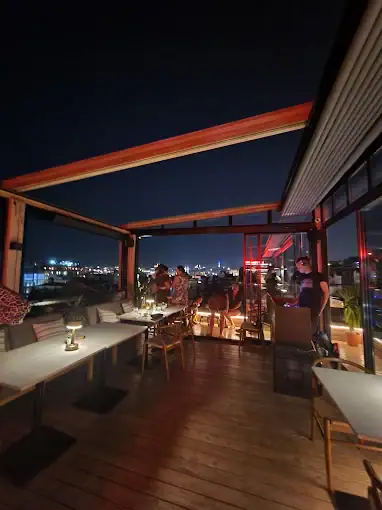
- Summer (Jun–Aug): Watermelon and white cheese become the default afternoon snack. Rooftop dining and waterfront seafood restaurants hit their peak.
- Autumn (Sep–Nov): Arguably the best season for food here. Fish returns to the Bosphorus in force, pomegranates are juiced on street corners, and figs flood the markets.
- Ramadan: The city shifts rhythm entirely. Bakeries turn out fresh Ramazan Pidesi daily, and restaurants build multi-course iftar menus for sunset. Don’t skip güllaç — a rosewater dessert made only during this month.
Ready-Made Foodie Itineraries for Istanbul
The One-Day Istanbul Foodie Blitz
- 7:00 AM: Simit and çay from a street cart.
- 8:30 AM: Full Turkish breakfast in Cihangir.
- 11:00 AM: Spice Bazaar for Turkish delight, then Tahmis Street for fresh-roasted coffee.
- 1:00 PM: Lunch at an esnaf lokantası (tradesmen’s cafeteria) near Süleymaniye.
- 4:00 PM: Balık ekmek (fish sandwich) at the Eminönü docks.
- 7:30 PM: Meyhane dinner on Nevizade Street — raki, meze, grilled fish.
- 10:30 PM: Baklava at Karaköy Güllüoğlu.
- 12:00 AM: Islak (wet) burger in Taksim Square.
The Three-Day Istanbul Foodie Itinerary
- Day 1 (European Core): Beyoğlu breakfast, Spice Bazaar street food, intimate meyhane dinner in Asmalımescit.
- Day 2 (Asian Side Immersion): Cross the Bosphorus for a deep dive into Kadıköy Market, lunch at Çiya Sofrası while its rotating buffet is at its best, then coffee in Moda in the afternoon.
- Day 3 (History & Fine Dining): Morning Turkish cooking class in Sultanahmet, afternoon tea near the Grand Bazaar, and a Michelin-starred dinner — Nicole’s rooftop terrace in Beyoğlu or Turk Fatih Tutak’s tasting menu in Bomonti, depending on how far you’re willing to travel and how far ahead you booked.
Practical Foodie Guide for Istanbul
- Dietary Requirements: Vegetarians will do well here — lean on zeytinyağlı (olive-oil-based) dishes, çiğ köfte wraps, and meze spreads. Vegans can manage but need to explicitly ask about hidden butter in bread and pastries. Nearly all meat served is halal.
- Food Apps (2026): Yemeksepeti remains Turkey’s largest delivery platform, with the widest restaurant selection — though registering typically requires a local Turkish phone number, which can be a hurdle for short-stay visitors. Getir is the faster option for grocery and snack delivery and tends to be more visitor-friendly to set up.
- Food Safety: Street food is genuinely safe thanks to high turnover — stick to stalls with a visible line of locals. Tap water is fine for brushing teeth, but locals stick to bottled water for drinking.
- Tipping: In restaurants and meyhanes, leave 10% in cash. For street food and small lokantas, tipping isn’t expected, but leaving small coin change is polite. Food tour guides are typically tipped $10–20 equivalent for a full day.