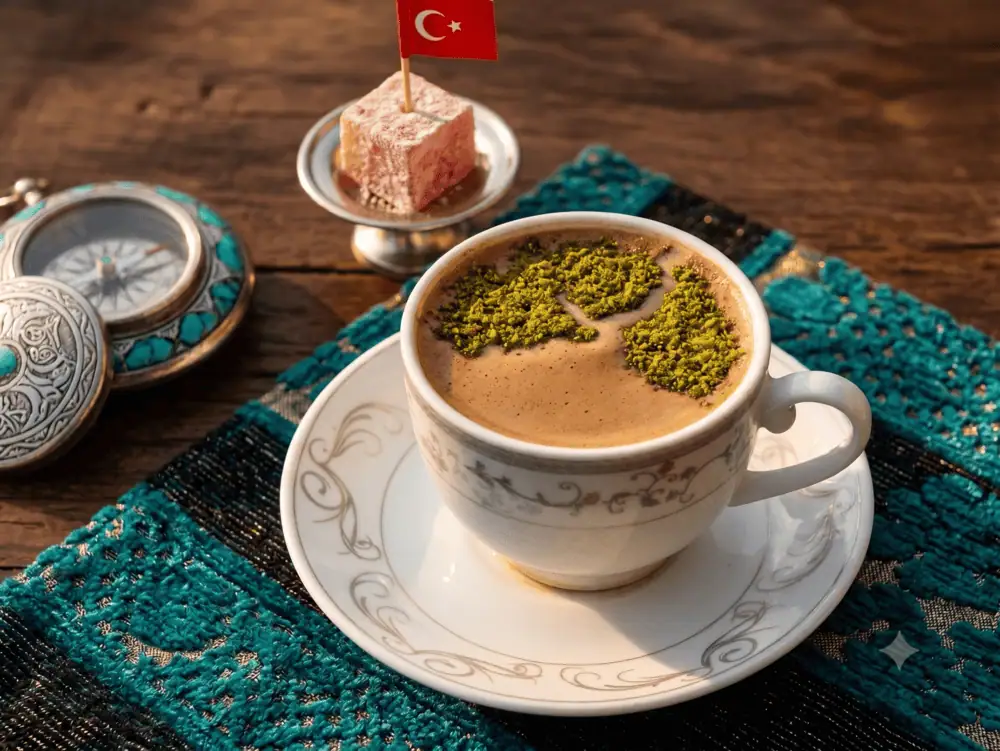
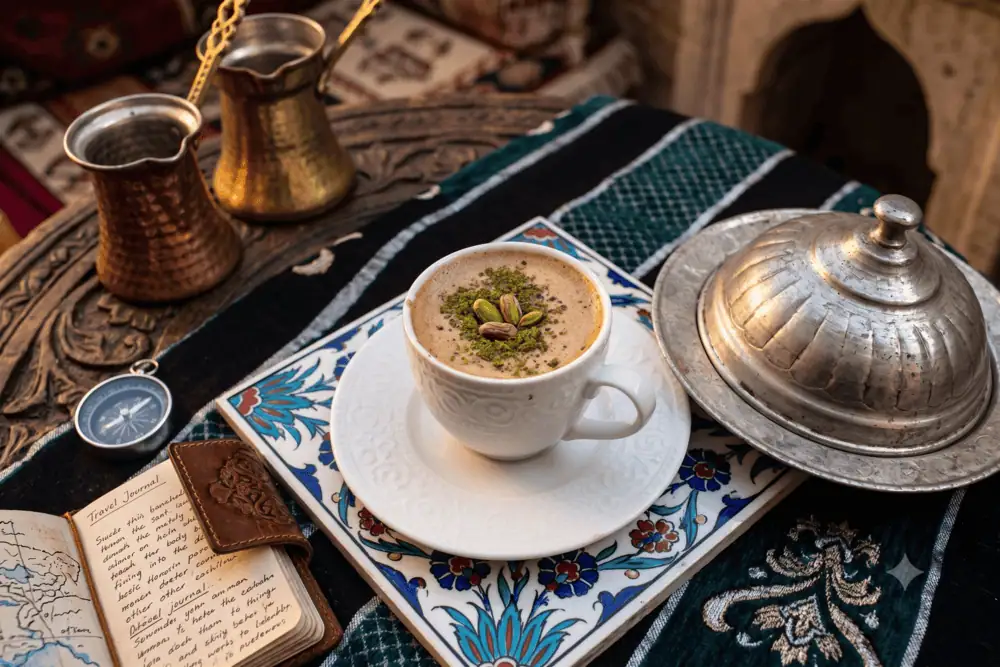
If you’ve spent any time wandering Balat’s crooked, colour-splashed streets, you’ve probably already noticed something odd on a few café chalkboards: “menengiç kahvesi.” It gets translated on English menus as “pistachio coffee,” which is a little misleading — but more on that in a minute. What matters right now is this: it’s one of the few genuinely unusual drinks left in a city where “specialty coffee” mostly means another flat white with latte art.
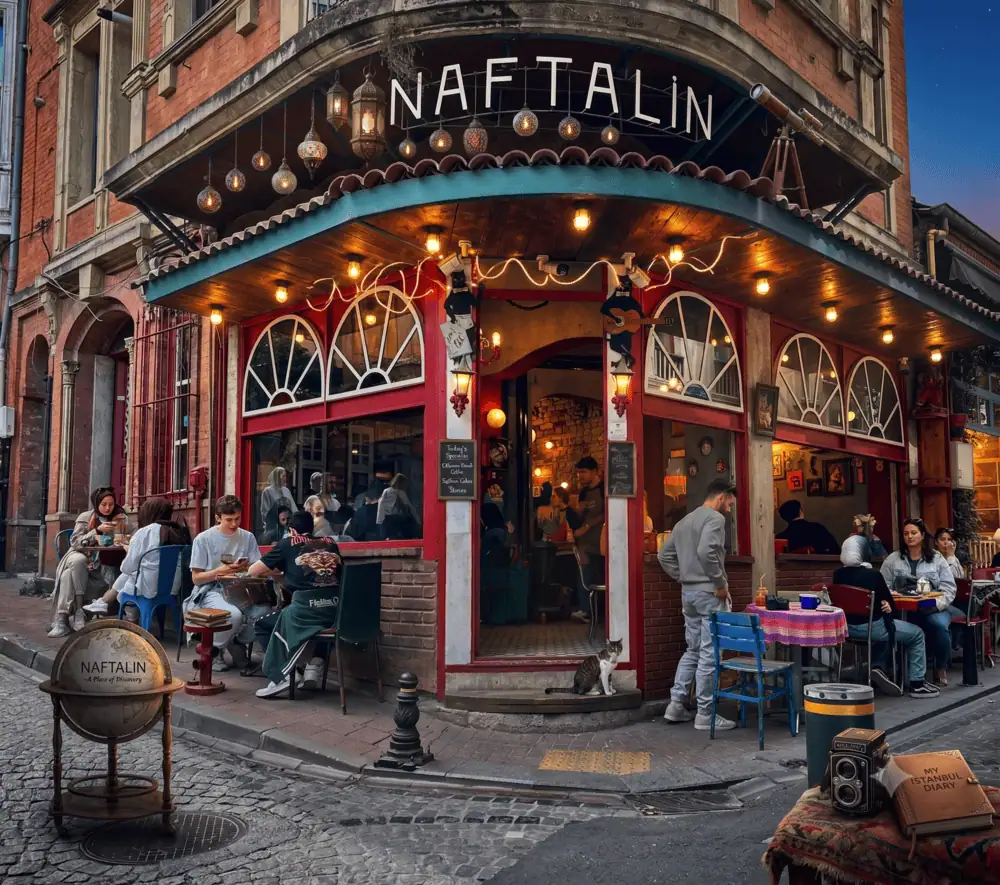
And there’s arguably no better place in Istanbul to try it than Cafe Naftalin K, a cluttered, cat-filled, time-capsule of a café tucked into a Balat backstreet. This guide walks you through what menengiç coffee actually is, why it’s not really coffee at all, what to expect at Naftalin K specifically, and the small details that’ll help you avoid an awkward or disappointing visit.
This article is a part of our section Istanbul Beverage Culture: From Traditional to Specialty Coffee.
This piece is part of our broader guide to Istanbul’s beverage culture — if you haven’t read that yet, it’s worth a look before or after this one.
What Is Menengiç Coffee, Really?
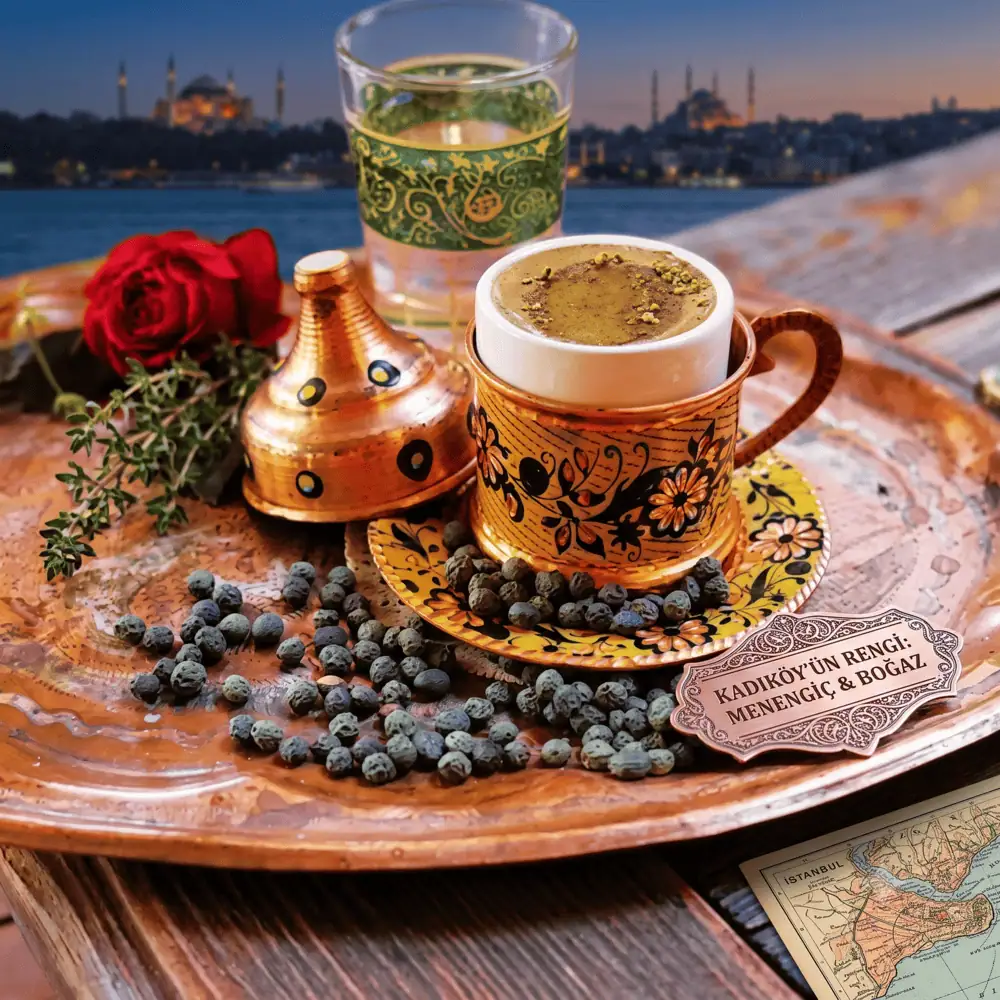
Here’s the nuance most quick-hit travel blogs skip over: menengiç coffee contains zero coffee beans. It’s made from the roasted, ground fruit of the terebinth tree (Pistacia terebinthus), a wild, scrubby tree that grows across southeastern Turkey — most famously around Gaziantep, which now holds an EU-protected geographical indication for its version of the drink.
Choose best excursion in Istanbul
So Why Do People Call It “Pistachio Coffee”?
Because terebinth is a genuine botanical cousin of the pistachio tree — both belong to the Pistacia genus — the drink gets marketed to foreigners as “wild pistachio coffee” or simply “pistachio coffee.” It’s not a lie, exactly, but it’s not quite accurate either. You’re not drinking crushed pistachio nuts; you’re drinking a related but different fruit that just happens to taste vaguely nutty. If you’re expecting something that tastes like a pistachio latte from a chain coffee shop, recalibrate your expectations now — it’s earthier, more bitter, and much more rustic than that.
How It’s Made
The terebinth berries are collected, washed, roasted, and ground — sometimes into a powder, sometimes into a thick paste. To brew it, that ground terebinth is combined with water or milk in a cezve (the same long-handled copper pot used for Turkish coffee), simmered slowly over low heat, and served in small cups, foam and all. Sugar is optional and usually added during brewing, exactly like traditional Turkish coffee.
What It Actually Tastes Like
Nutty, slightly bitter, a bit smoky, with an oily, almost creamy mouthfeel from the natural fats in the terebinth fruit. It’s an acquired taste for some — closer to a roasted-nut broth than to coffee. If you go in expecting a sweet pistachio-flavoured treat, you might be surprised by how earthy and grown-up it actually tastes.
Caffeine-Free — And Why That Matters
Because there’s no actual coffee in it, menengiç is naturally caffeine-free. That makes it a legitimately good option for:
- An evening drink after dinner without ruining your sleep
- Pregnant travellers or anyone avoiding caffeine
- Kids who want to feel like they’re “having coffee” with the grown-ups
- Anyone who’s already had three Turkish coffees today and needs a break (it happens fast in this city)
In southeastern Turkey, menengiç is also traditionally given as a folk remedy for coughs and colds — grandmothers pouring a cup for anyone with a sore throat. It’s worth being honest here: the scientific research on its health benefits is still limited. Early studies point to antioxidant and anti-inflammatory compounds in terebinth fruit, but there isn’t strong clinical evidence behind the cold-and-flu claims. Treat it as a nice tradition and a tasty caffeine-free option, not a medical treatment.
Cafe Naftalin K: Where to Actually Try It
Menengiç shows up on a handful of Istanbul menus, but Cafe Naftalin K in Balat has built its reputation partly around serving regional Turkish coffees that most cafés in the city don’t bother stocking. Alongside menengiç, you’ll typically find dibek coffee (a coarser, spiced style) and Mardin kahvesi, a spiced coffee associated with southeastern Turkey. Some sources also mention a Syriac-style coffee with cardamom on the menu, though menu items can shift, so don’t hold the café to an exact list.
The Atmosphere: A Grandmother’s Parlour, Not a Coffee Shop
Naftalin K doesn’t look like a café so much as a very lived-in living room that happens to sell drinks. Expect:
- Antique radios, old telephones, and faded photographs crammed onto every surface
- Crochet tablecloths and mismatched vintage furniture
- Wooden tables, worn brick walls, and warm, low lighting
- A wood stove that’s genuinely useful in winter — this isn’t decoration
- A bathroom door repurposed from an old refrigerator (yes, really — multiple visitors mention this, so it’s a fairly safe bet you’ll see it too)
It’s a small, intimate space, which is part of the charm and also a practical consideration — more on that below.
The Cats
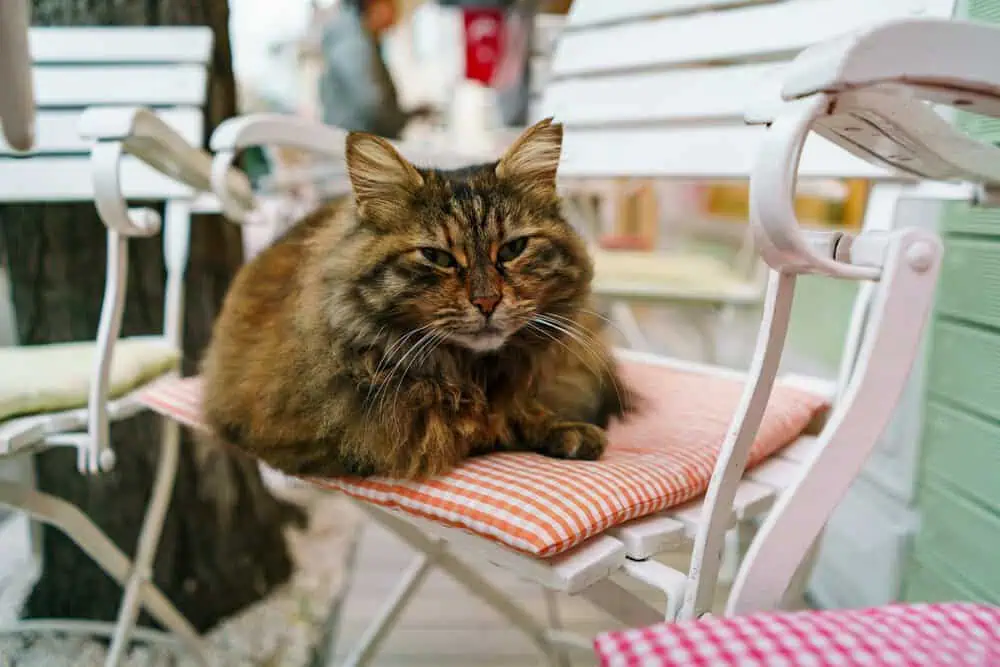
This is a cat café in spirit even if it’s not marketed that way. Resident cats wander freely between tables, and it’s not unusual for one to hop into your lap uninvited. If you’re allergic, or just not a cat person, this genuinely affects how comfortable your visit will be — it’s worth knowing before you sit down, not after.
Stay connected during your trip
What Else Is on the Menu
Beyond the coffee, Naftalin K serves homemade, comfort-food style dishes: toasts, soups, occasional mantı (Turkish dumplings), vegetable stews, and a rotating selection of cakes and cookies — including cat-shaped cookies that have become something of a signature. Vegan options exist on the menu, though reports suggest the vegan food is decent rather than spectacular; if you’re coming primarily for a strong vegan meal, this probably isn’t the destination, but if you’re coming for coffee and atmosphere with a light bite on the side, it works well.
Practical Details Before You Go
Location and Hours
Cafe Naftalin K sits in Balat Mahallesi on Yıldırım Caddesi, close to the Golden Horn in the historic Fener-Balat district. Reported opening hours are daily, roughly 10:00 AM to 9:00 PM, though small independent cafés like this one do sometimes adjust hours seasonally or close for personal reasons — it’s worth a quick call or a check of their Google/Instagram listing on the day of your visit rather than assuming the hours are fixed.
Pricing Reality
Multiple visitor reports describe the pricing as reasonable to mid-range for the neighbourhood — not a tourist-trap markup, but also not the cheapest option in Balat. We’re deliberately not quoting exact lira figures here: Turkish lira pricing has moved quickly in recent years, and a specific number risks being stale by the time you read this. Budget for a mid-range café experience and check the current menu (often presented in a distinctive envelope with literary quotes on it) when you arrive.
The Practical Downsides — Because Trust Matters More Than Hype
No honest guide skips the trade-offs, so here they are:
- It’s small. This is not a place to bring a group of eight without warning. Expect limited seating and the possibility of waiting, especially on weekends.
- It can get busy with photographers. Balat’s photogenic streets pull in a lot of Instagram traffic, and Naftalin K’s aesthetic interior means it sometimes attracts more phone cameras than quiet conversation.
- Cats + allergies + food don’t always mix well for everyone. If you have a serious cat allergy, this is a genuine consideration, not just an aside.
- Menengiç is a strong, unusual flavour. If you dislike bitter or nutty drinks, it may not be your thing — consider ordering it alongside something more familiar, like Turkish tea, so you have a backup.
Common Mistakes Visitors Make
A few small errors show up again and again with first-time menengiç drinkers:
- Expecting it to taste like actual coffee. It won’t. Go in expecting a roasted-nut drink, not an espresso substitute.
- Assuming “pistachio coffee” means pistachio nuts. As covered above, it’s terebinth fruit — a relative, not the same plant.
- Skipping the milk option. Menengiç can be made with water or milk; the milk version is creamier and, for many first-timers, more approachable. If you’re unsure, ask for it with milk.
- Treating Balat as a five-minute stop. Naftalin K rewards a slow visit — rushing in for a quick photo and leaving misses most of what makes the place worth the trip.
- Not checking hours before a special trip. Small independent cafés in historic districts can have irregular hours; a quick check saves a wasted walk.
How Menengiç Fits Into Istanbul’s Bigger Coffee Story
Istanbul’s coffee culture is often reduced to two extremes in guidebooks: traditional Turkish coffee on one side, third-wave specialty coffee shops on the other. Menengiç sits in a genuinely different lane — a regional, southeastern Turkish tradition that’s found its way into the capital through cafés like Naftalin K that specialise in showcasing coffees most visitors, and honestly a lot of Istanbul locals, have never tried. If you’re building out a fuller picture of the city’s drink culture, pairing a menengiç visit with a stop at a traditional Turkish coffee house and a modern specialty café gives you a genuinely well-rounded sense of what “coffee” means across Turkey — not just in Istanbul.
Conclusion
Menengiç coffee is one of those small, easy-to-miss details that separates a “checked the box” Istanbul trip from one where you actually taste something specific to the country. It’s not coffee, it won’t give you a caffeine buzz, and it has a flavour that takes a sip or two to fully appreciate — but that’s kind of the point. Cafe Naftalin K, with its cluttered antiques, resident cats, and unhurried atmosphere, is a genuinely fitting place to try it: a slow, honest café in a slow, honest neighbourhood. Go with low expectations about it tasting like coffee, and reasonably high expectations about everything else.