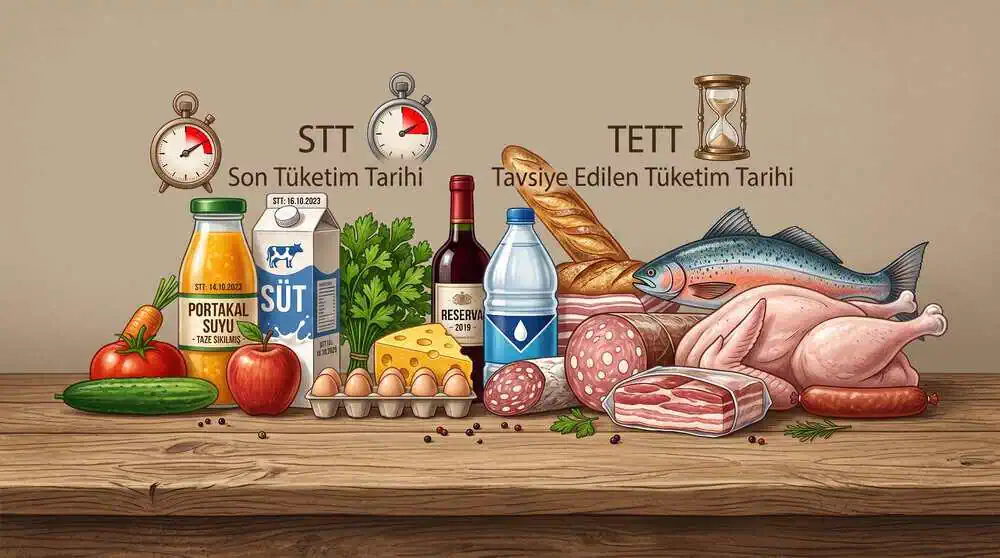
The TETT designation on products manufactured in Turkey is Tavsiye edilen tüketim tarihi, which means the recommended shelf life of the product.
Also, STT is written on the products – which means the date of production of the product.
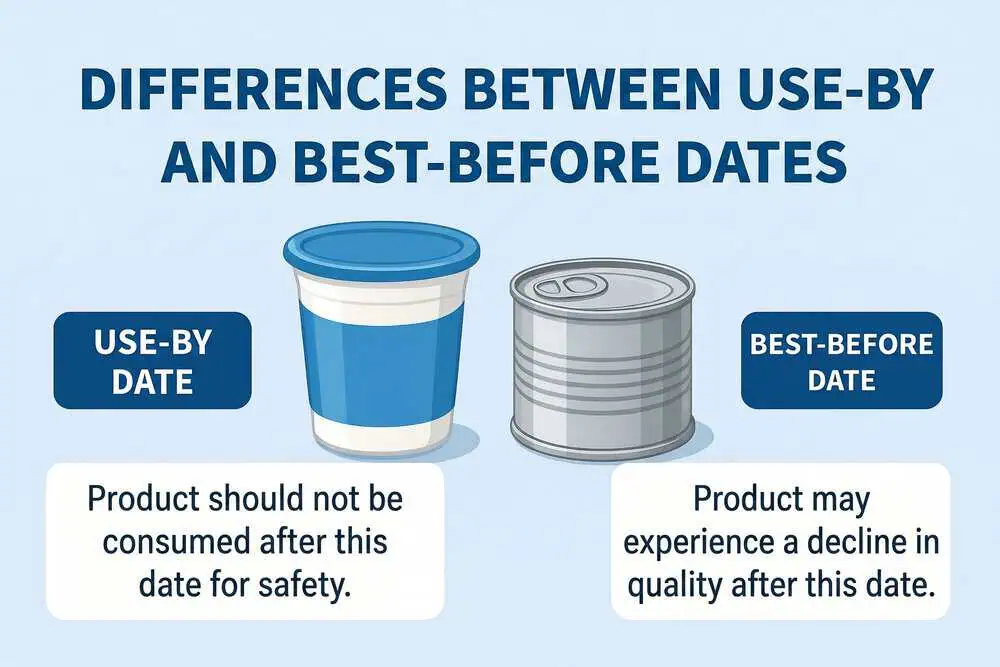
Indicates quality, flavor, and optimal freshness. Products past their TETT are generally still safe to consume if stored properly and show no signs of spoilage, though they may have lost peak flavor or texture. Common on dry or shelf-stable goods (pasta, canned food, snacks).
This article is a part of our guide Eat & Work: Digital Nomad Cafes & Coworking Spots.
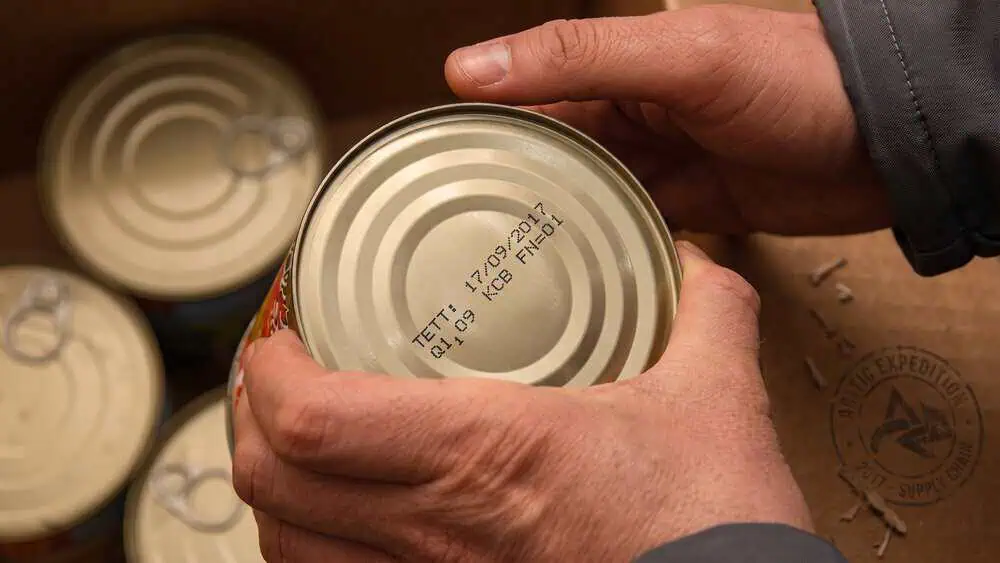
Pick up almost any packet of bulgur, jar of honey, or bag of coffee from a Turkish supermarket shelf, and somewhere on the label you’ll spot four letters: TETT. No explanation, no English translation, just “TETT” followed by a date.
If you’re setting up a kitchen in Istanbul — whether you’re a digital nomad stocking up for breakfast between coworking sessions, or just someone trying to fill a fridge without wasting money — that little code matters more than it looks. Get it wrong, and you’ll either throw away perfectly good food or, worse, misjudge something you actually shouldn’t eat.
Choose best excursion in Istanbul
So let’s actually break it down: what TETT means, how it’s different from the other date codes you’ll see (STT, SKT), and the mistakes almost every newcomer makes at least once.
What Does TETT Actually Stand For?
TETT is short for Tavsiye Edilen Tüketim Tarihi, which translates to “Recommended Consumption Date.” Think of it as Turkey’s version of a “best before” date.
It’s a legal labeling requirement under the Turkish Food Codex Regulation on Food Labelling and Consumer Information (Türk Gıda Kodeksi Gıda Etiketleme ve Tüketicileri Bilgilendirme Yönetmeliği), and it applies to shelf-stable foods — the kind of products that don’t spoil dangerously, they just gradually lose quality.
Here’s the key distinction, and it’s the one thing worth remembering above everything else in this article: TETT is about quality, not safety.
A product past its TETT date isn’t automatically unsafe. It might just taste a little flatter, feel a bit less crisp, or have lost some aroma. That’s genuinely different from what happens with the other date code you’ll see on Turkish packaging.
TETT vs. STT vs. SKT: Untangling Turkey’s Date Code Alphabet
This is where most people — locals included — get tripped up. Turkish food labels can carry two conceptually different dates, and a third term that’s really just a nickname for one of them.
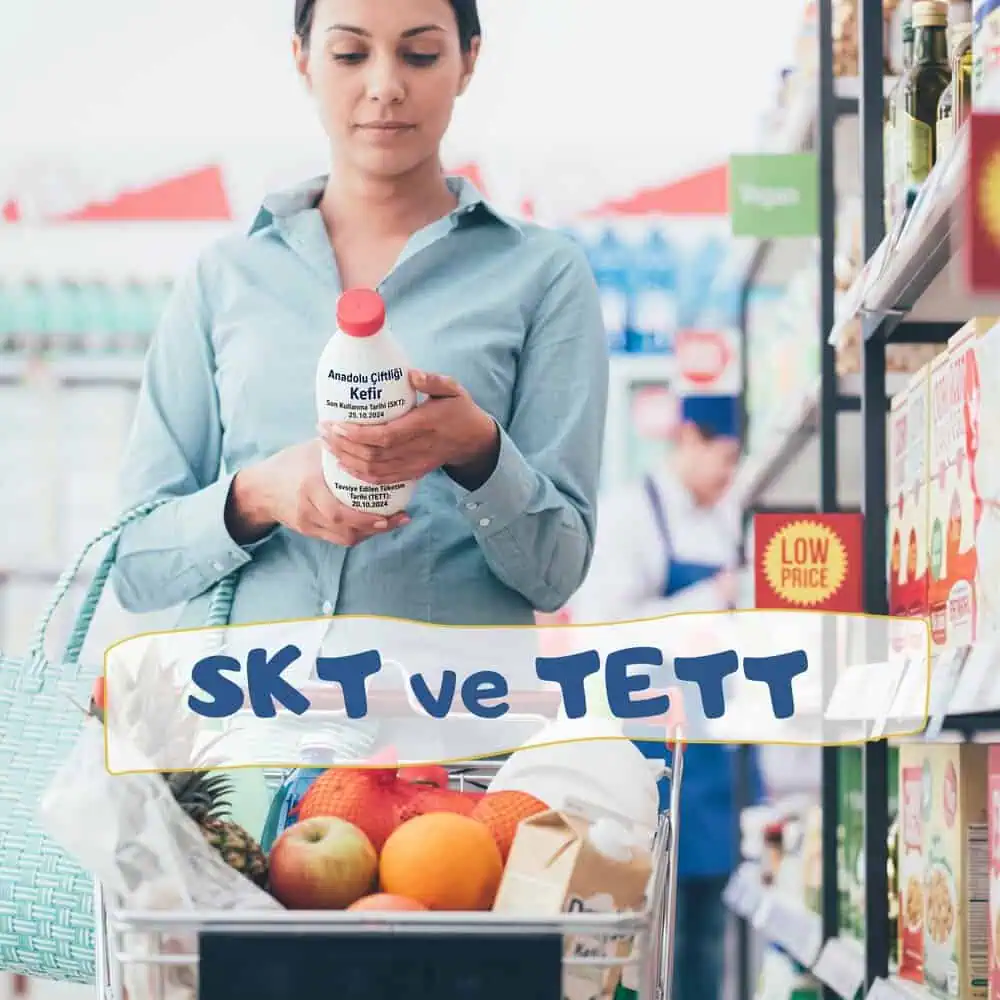
TETT – STT – SKT
Why This Actually Matters If You’re Cooking Your Own Breakfast Here
Istanbul’s breakfast culture is famous for a reason — the spreads, the çay, the endless small plates. If you’re a remote worker who’s decided to recreate a simple version of it at home between calls, you’re going to be buying exactly the kind of products that carry TETT dates: honey, tahini, olives, jam, packaged simit or bread, biscuits for your afternoon coffee break.
Knowing the difference between TETT and STT changes how you shop. It means:
- You don’t panic-toss a jar of honey because the date “expired” last month — honey with a TETT date is often still perfectly good years later if unopened.
- You don’t apply that same logic to the carton of milk in your fridge — that one has an STT, and the rule there is strict.
- You stop overpaying for “fresher” packaged goods when the difference is really about the manufacturer’s quality guarantee window, not safety.
It’s a small piece of local knowledge, but it saves you money and food waste — and honestly, it’s the kind of detail that separates someone who’s actually lived here for a while from someone who’s still googling “is this yogurt safe to eat.”
Where You’ll See TETT Most Often on Grocery Shelves
Walk into any Turkish market — a neighborhood bakkal, a BİM or A101 discount store, a Migros, or a CarrefourSA — and TETT shows up constantly on the breakfast-table basics:
- Bal (honey) — often has a long TETT window, sometimes a year or more
- Zeytin (olives), jarred or vacuum-packed
- Reçel (jam)
- Tahin ve pekmez (tahini and grape molasses)
- Bisküvi ve kraker (biscuits and crackers)
- Kahve ve çay (coffee and tea)
- Bakliyat (legumes) — chickpeas, lentils, dried beans
- Konserve (canned goods)
Compare that to what you’ll always find marked with STT instead: fresh cheese (beyaz peynir, kaşar), süt (milk), yoğurt, and anything sold from a butcher’s or fishmonger’s counter.
Common Mistakes People Make With TETT (And How to Avoid Them)
Here’s where the “generic guide” version of this topic usually stops — but the practical mistakes are where it actually gets useful.
Is It Actually Legal to Sell Food Past Its TETT Date?
Yes — and this is a detail most articles get wrong or skip entirely. Selling food after its TETT date is legal in Turkey, as long as the food business takes responsibility for confirming it’s still fit for consumption. Some stores even discount products as they approach or pass their TETT date rather than pulling them from shelves, which is honestly a more sensible approach to food waste than what happens in a lot of other countries.
Selling food past its STT date, on the other hand, is explicitly prohibited, and businesses that do it face administrative penalties.
This distinction is actually part of a wider push in Turkey to reduce food waste — regulators have pointed out that a meaningful share of food waste across Europe comes specifically from consumers confusing “best before” and “use by” labeling, and Turkey’s guidance documents call out that same confusion directly.
A Recent Wrinkle: The Rules Keep Getting Updated
If you want to sound like you actually know the topic (rather than just repeating a definition), it’s worth knowing this isn’t a static regulation. Turkey’s Ministry of Agriculture and Forestry has been actively revising food labeling rules in recent years, with amendments affecting things like restrictions on butter-like visual branding for plant-based spreads, limits on using the word “cream” for non-dairy products, and — notably for breakfast lovers — a shift for eggs, which are now labeled with TETT instead of STT under updated guidance.
Products that don’t comply with the newest labeling requirements are set to be phased out of the market entirely once the current compliance deadline passes. None of this changes the core TETT vs. STT logic above, but it’s a reminder that Turkish food labeling isn’t frozen in time, and a guide written a few years ago may already be slightly out of date.
Practical Tips for Digital Nomads Stocking a Kitchen Here
If you’re working remotely from Istanbul and doing your own grocery runs between coworking sessions or breakfast-cafe visits, here’s what actually helps:
- Buy pantry staples (bakliyat, pasta, coffee) in slightly larger quantities — their TETT windows are long, and there’s little downside to stocking up.
- Buy dairy and fresh produce in smaller amounts, more often — Istanbul has a bakkal or small market on nearly every corner, so there’s rarely a reason to overbuy anything with an STT date.
- Check the seal, not just the date, on anything approaching its TETT — a shrink-wrapped jar of honey that’s a few months “past date” but never opened is a non-issue.
- Learn to read DD.MM.YYYY at a glance — it takes about two grocery runs before it becomes automatic.
- Don’t be surprised by discounted shelves near the TETT date — that’s a completely normal, legal practice here, not a sign something’s wrong with the product.
The Honest Pros and Cons of How Turkey Handles This
What works well:
- The TETT/STT split is genuinely more food-waste-conscious than a single blanket “expiry date” system.
- Regulators have been actively updating rules to reduce consumer confusion, not just leaving outdated labeling in place.
- Discounting near-TETT products instead of destroying them is a practical, low-waste approach.
What’s still confusing:
- The visual difference between TETT and STT on packaging isn’t always obvious — the font size and placement can be nearly identical, and there’s no color-coding to help you tell them apart at a glance.
- SKT and STT being used interchangeably in casual speech (but not officially) adds an extra layer of confusion for newcomers trying to learn the “correct” term.
- Labeling rules have changed more than once in the past couple of years, so information you find online — including this article, over time — can go stale. When in doubt, the safest habit is simply: check the seal, use your senses, and treat STT as non-negotiable.
Final Thoughts
The TETT mark isn’t some bureaucratic footnote — it’s genuinely useful information once you know how to read it. The short version: TETT is a soft, quality-based recommendation you’ll see on pantry staples like honey, legumes, biscuits, and coffee, while STT (sometimes called SKT in everyday speech) is a hard safety cutoff reserved for perishables like milk, meat, and fish.
Once that distinction clicks, grocery shopping in Istanbul gets a lot less stressful — and a lot less wasteful. You’ll stop tossing perfectly good pantry items out of caution, and you’ll know exactly when to actually be strict about what’s in your fridge.
Frequently Asked Questions
Editorial note: Turkish food labeling regulations have been updated multiple times in recent years, including changes affecting egg labeling and plant-based product terminology. Rules referenced here reflect the Turkish Food Codex regulation on food labeling as most recently amended; always check current packaging, as specific compliance deadlines and category rules can shift.