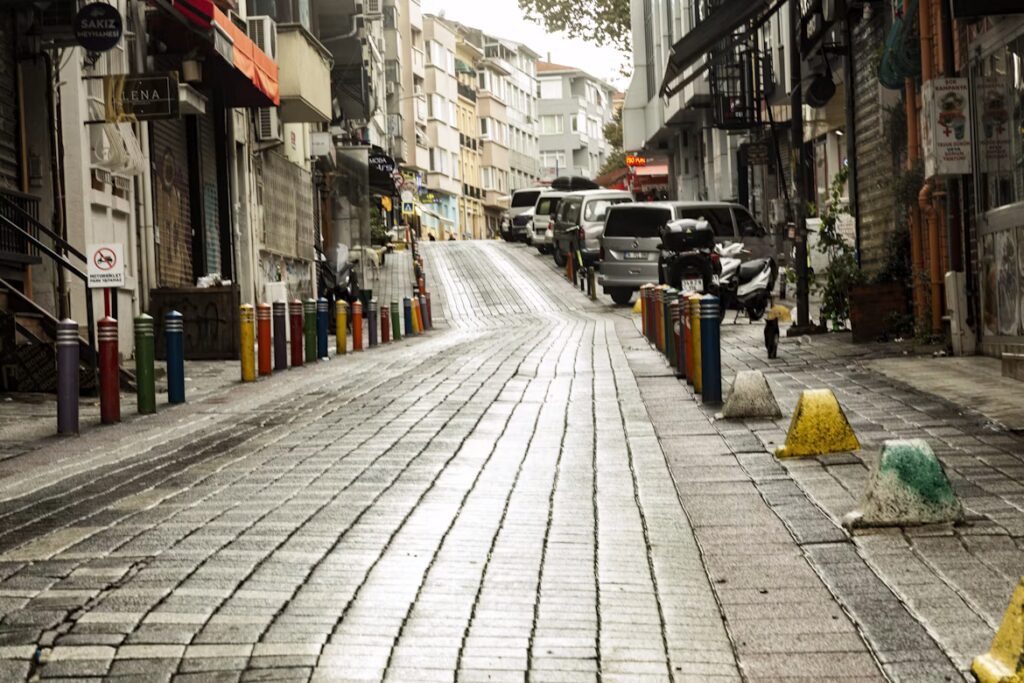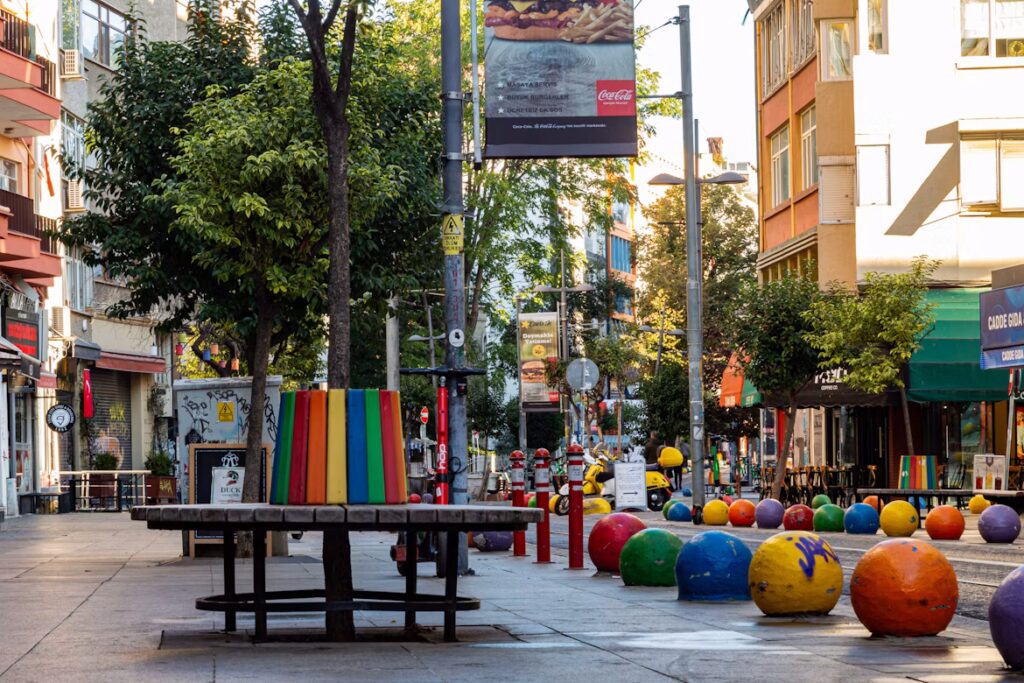
If you’ve spent any time in Istanbul, you already know it’s a city built for traffic. Millions of cars cross the Bosphorus bridges every day, and the E-5 and TEM highways rank among the most congested arteries in Europe. So it can catch first-time visitors off guard when they step into Sultanahmet, Beyazıt, or Sirkeci and suddenly find themselves walking down streets with barely a vehicle in sight.
This isn’t an accident, and it isn’t because Istanbullus have quietly agreed to leave their cars at home out of respect for Hagia Sophia. It’s the result of two decades of deliberate municipal policy, backed by rules, restricted hours, and real enforcement.
This article is a part of our big guide – Public Transport Masterclass: Istanbulkart & Navigation.
It Started in 2005, Not Yesterday
The pedestrianization of the Historic Peninsula — the part of Fatih district that holds the Grand Bazaar, Sultanahmet Square, Topkapı Palace, and the old city walls — began in 2005 as a joint effort between the Istanbul Metropolitan Municipality, the Fatih district municipality, and Istanbul’s UKOME (the city’s transport coordination authority). It wasn’t a single decree; it was rolled out street by street, square by square, over years.
Sultanahmet Square and its surrounding streets became fully pedestrian in 2010, the same year Istanbul was European Capital of Culture. From there the program expanded fast: dozens of streets between 2011 and 2012, dozens more in 2013. By the mid-2010s, roughly 300 streets across the peninsula had been closed to regular traffic. The municipality has continued the work since — in 2025, authorities announced a new Historic Peninsula Transportation Action Plan aiming to remove private vehicles from the area around Sultanahmet, Hagia Sophia, and Topkapı Palace almost entirely, alongside expanded shuttle services and tourist-bus drop-off hubs at Sirkeci and Yenikapı.
Choose best excursion in Istanbul
Who’s Actually Allowed to Drive There
UKOME’s rules for the pedestrianized zone are specific, and they explain a lot of what you’ll notice on the ground:
- Private cars: not allowed during the day.
- Emergency vehicles (ambulance, police, fire): always allowed.
- Official vehicles — embassy cars, postal service, some banking and municipal vehicles: allowed.
- Delivery vehicles for local shops: allowed only in a narrow overnight window, roughly 11 pm to 8 am in summer and 9 pm to 8 am in winter. If you’ve ever wondered why Sultanahmet’s souvenir shops and restaurants seem to restock overnight, this is why.
- Tourist buses: restricted to designated routes and drop-off points rather than free circulation through the old town.
- Municipal police (zabıta) from Fatih Municipality are tasked with monitoring compliance on the ground.
So the quiet you feel walking through Sultanahmet at 3 pm isn’t a lucky gap in traffic — it’s the system working as designed.
Enforcement: Fines and Towing
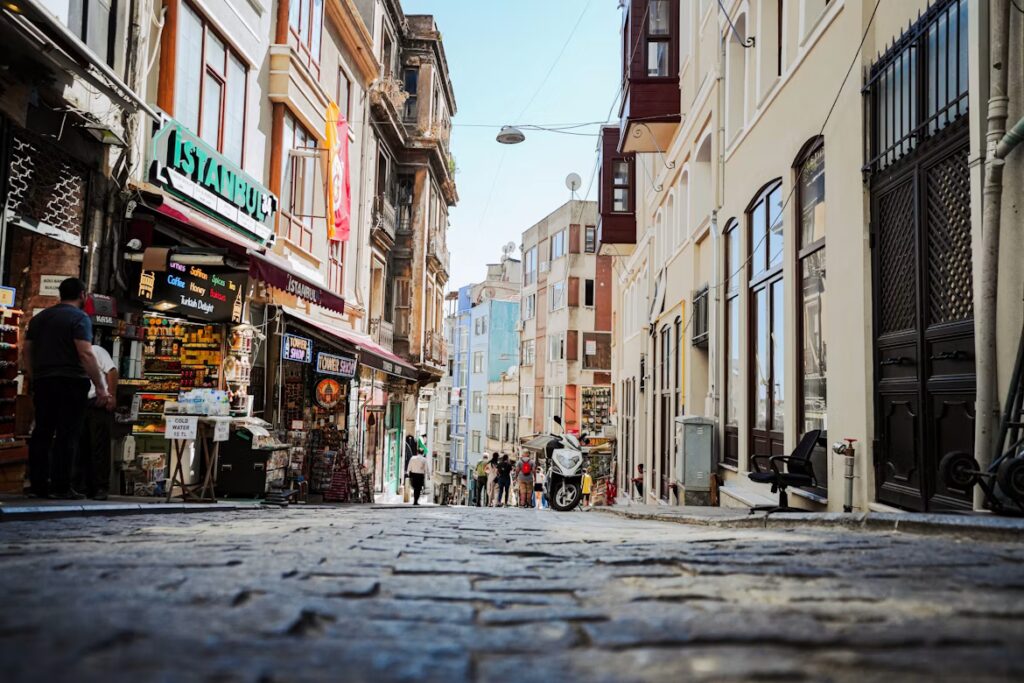
Where the rules are broken, enforcement is real. Vehicles that enter restricted streets without authorization or park outside designated İSPARK areas are subject to fines, and in the historic core, illegally parked cars tend to get towed quickly rather than ticketed and left in place — largely because a single car on a 2–3 meter-wide street can block the entire route for pedestrians, deliveries, and emergency access.
Istanbul does use camera-based traffic enforcement (known locally as EDS) across the city for things like speeding, wrong-way driving, and violations of restricted lanes such as bus corridors. Some of this citywide monitoring extends to the historic districts as well. Exactly how enforcement is technically implemented street by street in the Historic Peninsula — whether by physical barriers, camera systems, or simply regular police presence — isn’t something we can verify in detail from public sources, so take specifics on that front with a grain of salt if you read them elsewhere. What’s well documented is the outcome: violations get fined, and illegal parking gets towed.
Why It’s Not Just About Rules — The Streets Themselves Resist Cars
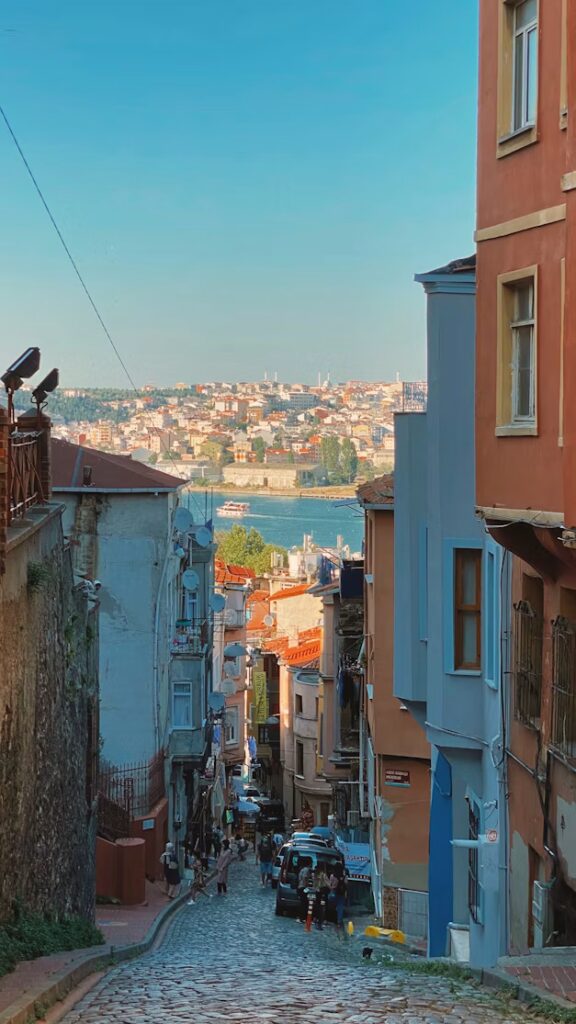
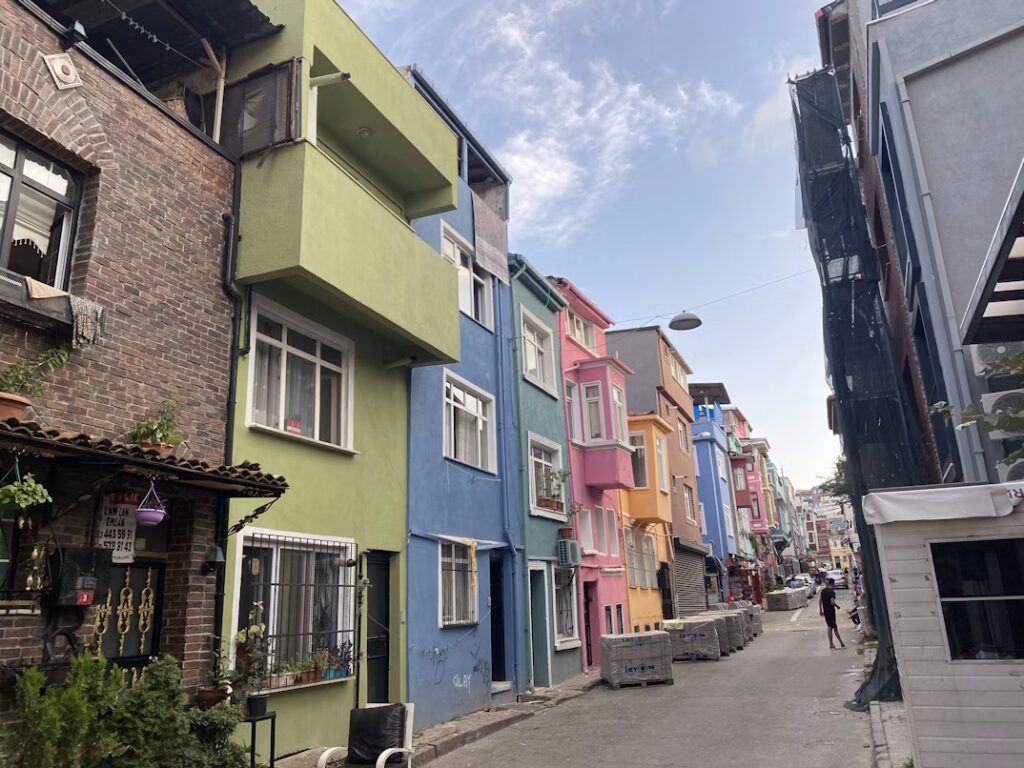
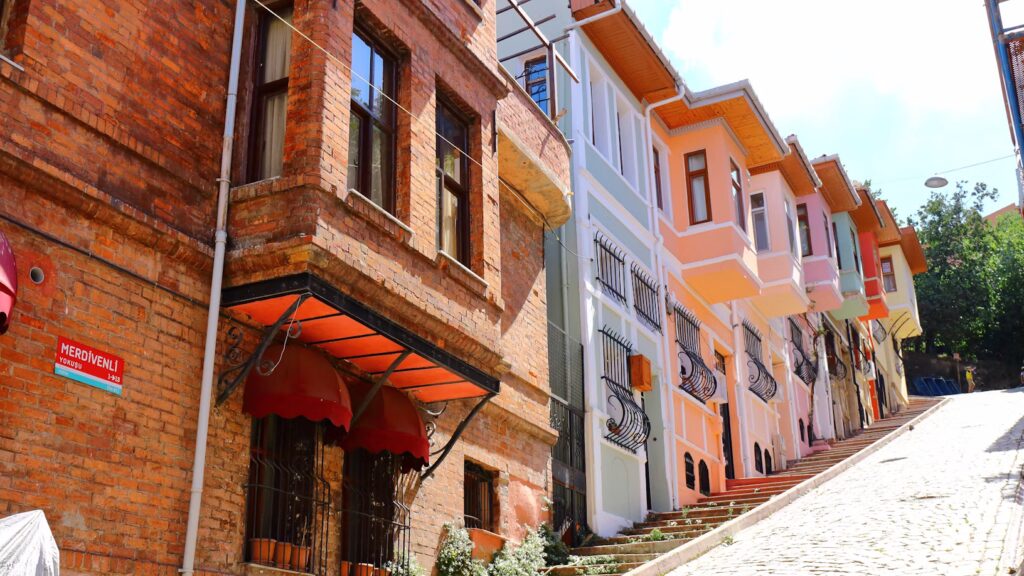
Even without any signage, a lot of the Historic Peninsula would be hard to drive through. Neighborhoods like Balat, parts of Süleymaniye, and the tangle of lanes around the Grand Bazaar have streets that are often just 2–3 meters wide, paved in old cobblestone, steep in places, and frequently dead-end without warning. Locals who do drive tend to avoid these lanes by habit, parking instead at larger “park and ride” style areas along the waterfront — around Sirkeci, Yenikapı, and the coastal road near Kennedy Avenue — and continuing on foot, by tram, or by ferry.
This is worth knowing if you’re renting a car in Istanbul: don’t plan on driving into Sultanahmet, Beyazıt, or the bazaar district at all. Park on the periphery and walk in, or better yet, skip the car entirely and use the T1 tram, which runs right through the heart of the historic zone and remains one of the few forms of wheeled transport still allowed there.
What This Means for Your Visit
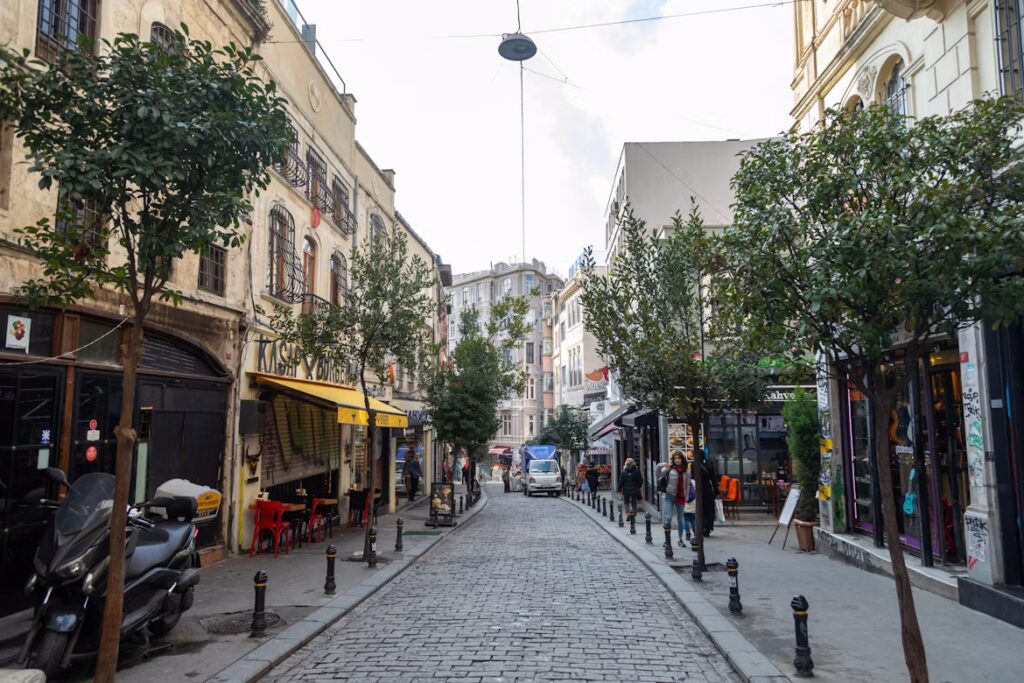
For a traveler, the practical upshot is simple and, frankly, a gift: the most historic and densely packed part of Istanbul is also the most walkable. You can cross from Hagia Sophia to the Blue Mosque to the Basilica Cistern to the edge of the Grand Bazaar without dodging traffic, breathing exhaust, or looking for a crosswalk. The tradeoff is that if you’re arriving by taxi or private transfer, expect your driver to drop you at the edge of the pedestrian zone rather than at your hotel’s front door — plan a short walk with your luggage, especially in Sultanahmet and around the bazaar.
Frequently Asked Questions