Discover one of the most beautiful walks in Istanbul, where pastel-colored Ottoman mansions, hidden cobblestone streets, and Bosphorus views create a photographer’s dream.

Most visitors come to Istanbul for the famous landmarks. They visit Sultanahmet, admire Hagia Sophia, take a Bosphorus cruise, and leave feeling satisfied.
But locals know that some of Istanbul’s most magical places are hidden in plain sight.
Arnavutköy is one of them.
Located on the European shore of the Bosphorus between Ortaköy and Bebek, this historic waterfront neighborhood feels like stepping into a different era. The pace is slower. The streets are quieter. The architecture tells stories that span centuries.
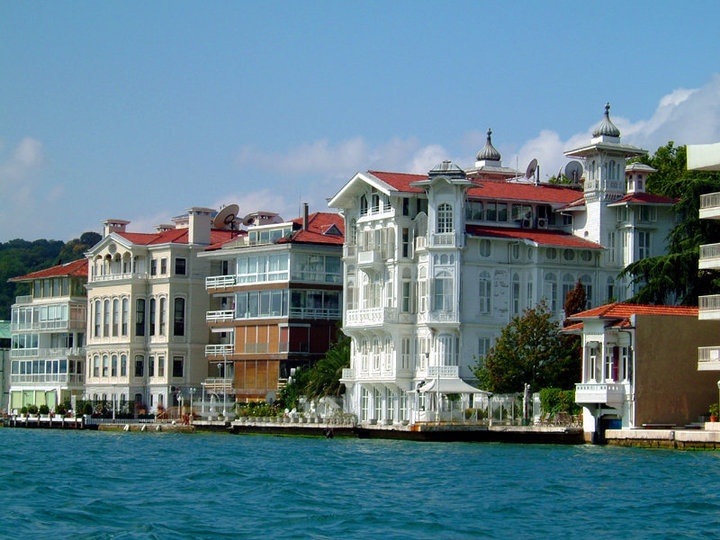
More importantly for photographers, Arnavutköy contains one of the largest and most beautiful collections of surviving wooden Ottoman waterfront mansions—known as yalı—anywhere in Istanbul.
Walking here feels less like sightseeing and more like wandering through a living movie set.
Choose best excursion in Istanbul
Pastel-colored facades line the shoreline. Bay windows lean over narrow streets. Ornate wooden details catch the afternoon sunlight. Fishermen stand against powerful Bosphorus currents while elegant mansions create a backdrop unlike anywhere else in the city.
If you’re searching for an authentic Istanbul photography route away from the crowds, this walk deserves a place at the top of your list.
This is a part of our big guide on Bosphorus Villages Guide. Explore other villages and spots on Bosphorus.
What Is a Yalı?
Before starting the route, it’s worth understanding what makes these buildings special.
A yalı is a waterfront mansion built directly along the Bosphorus.
During the Ottoman era, wealthy families constructed these summer residences along the strait to escape the heat and congestion of central Istanbul. Living beside the water provided cool breezes, spectacular views, and direct boat access.
Unlike ordinary houses, many yalı were designed around the Bosphorus itself. Families arrived by boat. Private docks extended into the water. The sea became part of daily life.
Today, these mansions represent some of Istanbul’s most valuable and historically significant residential properties.
Arnavutköy preserves many of them in remarkable condition.
Stay connected during your trip
The name Arnavutköy translates roughly as “Albanian Village.”
Historically, however, the neighborhood was far more diverse than its name suggests.
For centuries, Greeks, Armenians, Jews, and Turks lived side by side here. That multicultural heritage remains visible today.
One of the most striking aspects of Arnavutköy is how different religious buildings exist within walking distance of one another:
- Historic mosques
- Greek Orthodox churches
- Synagogues
- Ottoman-era residences
This diversity helped shape the neighborhood’s unique architectural character.
Many of the grand waterfront mansions were originally owned by Greek, Armenian, and Jewish families, while Ottoman influences remained deeply woven into daily life.
The result is a fascinating blend of cultures that still gives Arnavutköy its distinctive atmosphere.
The walk can easily be completed in two to three hours.
Photography enthusiasts should allow at least half a day.
The route combines waterfront scenery, hidden backstreets, elevated viewpoints, and architectural details that reveal the neighborhood’s character.
Start along the Arnavutköy Sahil, the neighborhood’s waterfront promenade.
Immediately, you’ll notice what makes this area unique.
A continuous row of historic wooden mansions stretches along the Bosphorus shoreline.
Unlike modern apartment buildings found elsewhere in Istanbul, each house has its own personality.
Some are painted pale pink.
Others appear in shades of cream, peach, lilac, or muted yellow.
Many feature:
- Decorative wooden fretwork
- Elaborate balconies
- Ornate entrances
- Traditional shutters
- Elegant bay windows
The combination creates a visual rhythm that photographers rarely find elsewhere in the city.
Walk slowly.
The beauty here lies in details.
The Curious Canal Between the Mansions and the Road
One feature surprises many first-time visitors.
A narrow canal separates the waterfront mansions from the coastal road.
At first glance, it seems as though the houses were intentionally built behind a waterway.
The reality is more interesting.
Originally, these yalı stood directly on the Bosphorus.
Residents could access boats from their front doors.
The current canal emerged after coastal road construction in the 1980s altered the shoreline through land reclamation.
Although the mansions lost their direct connection to open water, the canal preserves a visual reminder of their maritime heritage.
For photographers, it adds another layer of reflections and symmetry.
Stop 2: Photograph Akıntıburnu
Continue walking toward Akıntıburnu.
Its name translates roughly as “Cape of the Current.”
This location is famous because Bosphorus currents move particularly fast here.
The scene constantly changes.
Fishing lines stretch into the water.
Seagulls circle overhead.
Boats navigate shifting currents.
The waterfront architecture provides an elegant backdrop.
For street and documentary photographers, this is one of the most dynamic sections of the route.
Stop 3: Find the Famous Red Yalı
One of the neighborhood’s most recognizable landmarks is the Red Yalı.
Built between approximately 1820 and 1830, it is considered the oldest surviving mansion in Arnavutköy.
Its vivid color immediately attracts attention.
But its significance goes beyond aesthetics.
The mansion was once home to Halet Çambel, the renowned archaeologist and the first Muslim woman to compete in the Olympic Games.
Photographically, the building works beautifully at almost any time of day.
Early morning highlights its color.
Late afternoon creates warm contrast against the Bosphorus.
Blue hour adds atmosphere and depth.
Exploring the Hidden Backstreets
The waterfront is only half the story.
To experience the true character of Arnavutköy, turn inland.
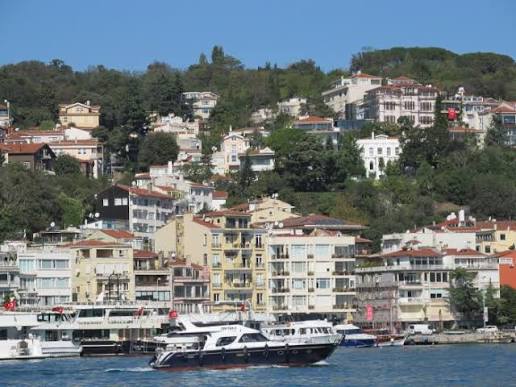
This is where the neighborhood begins to feel like a village.
Narrow lanes climb steep hills.
Cats sleep beside old doorways.
Laundry hangs above cobblestones.
Wooden facades reveal decades of history.
Beyazgül Street is among the most photogenic streets in the neighborhood.
Walking here reveals:
- Traditional wooden houses
- Historic bay windows
- Decorative facades
- Colorful entrances
- Everyday local life
The street perfectly captures the balance between preservation and lived-in authenticity.
Unlike carefully curated tourist districts, Arnavutköy remains a functioning residential neighborhood.
That authenticity appears in nearly every frame.
Other Streets Every Photographer Should Visit
Several streets consistently reward curious photographers.
Francalacı Street
Known for preserved Ottoman-era architecture and quiet residential atmosphere.
Eğlence Street
Offers interesting angles, colorful facades, and beautiful architectural details.
Dolaplı Kuyu Street
Excellent for photographing traditional timber houses and narrow urban compositions.
Kamacı Street
A quieter street where restored and weathered houses often stand side by side.
This contrast creates some of the neighborhood’s most compelling images.
The Beauty of the Cumba
One architectural detail deserves special attention.
The cumba.
These projecting bay windows extend outward above the street.
Historically, they allowed residents to observe neighborhood life while maintaining privacy.
For photographers, they create:
- Strong geometric shapes
- Interesting shadows
- Layered compositions
- Classic Ottoman character
Some are covered in ivy.
Others overflow with flowers and plants.
Nearly all add personality to the streetscape.
Many visitors focus exclusively on Ottoman architecture.
That would be a mistake.
Arnavutköy also contains remarkable examples of Art Nouveau design.
The best-known example stands on Dulkadıroğulları Street.
Unlike many houses where decorative elements were added later, this residence was purposefully designed as an Art Nouveau building.
Look for:
- Curved decorative motifs
- Organic patterns
- Elaborate ornamentation
- Distinctive facade details
Photographers interested in architecture will appreciate how seamlessly Ottoman and European influences merge here.
Restored Beauty vs Authentic Decay
One reason Arnavutköy feels so visually compelling is the contrast between restoration and age.
Some mansions have been meticulously restored.
Their paint looks fresh.
Woodwork appears flawless.
Windows sparkle.
A few steps away, another building may display peeling paint, weathered timber, and signs of decades passing.
Neither is more beautiful.
Both tell different chapters of the same story.
For photography, these contrasts often produce the most emotionally powerful images.
Historic Stops Along the Route
Tevfikiye Mosque
Built during the nineteenth century, Tevfikiye Mosque presents a graceful neoclassical appearance.
Its elevated position offers excellent Bosphorus views.
Photographers can combine architecture and landscape in a single composition.
Taksiarhis Greek Orthodox Church
This impressive church reflects Arnavutköy’s multicultural history.
Particularly noteworthy is its dramatic blue dome.
Inside and outside, the building provides fascinating architectural subjects.
Even those primarily interested in photography will appreciate the cultural significance of the site.
Robert College
Further uphill sits one of Turkey’s most prestigious educational institutions.
Founded in 1863, Robert College occupies a beautiful hillside setting.
Its historic stone buildings provide a striking contrast to the neighborhood’s wooden architecture.
Arrive During Late Afternoon
The neighborhood shines when warm sunlight begins illuminating wooden facades.
The light becomes softer and more cinematic.
Colors appear richer.
Textures become more pronounced.
Stay for Blue Hour
Blue hour is arguably the best time to photograph Arnavutköy.
As daylight fades:
- The canal begins reflecting soft light
- Wooden facades glow gently
- Streetlights add atmosphere
- The Bosphorus becomes more dramatic
This brief period often produces the day’s strongest images.
Focus on Details, Not Just Wide Shots
Many visitors photograph only the waterfront panorama.
Don’t overlook smaller details:
- Door knockers
- Window shutters
- Wood carvings
- Boat moorings
- Staircases
- Flower boxes
These details often communicate the neighborhood’s personality more effectively than wide landscapes.
The Best Sunset Viewpoint
One of the route’s most rewarding viewpoints lies near Uvez Street.
Climb the staircase leading uphill from the waterfront.
At the top, near a red Ottoman house, you’ll find elevated views looking toward the Bosphorus.
This perspective reveals:
- Historic rooftops
- Waterfront mansions
- Passing boats
- Sunset colors across the strait
Arrive approximately 30 minutes before sunset for the best light.
Practical Information for Visitors
The easiest public transportation options include:
From Taksim
- Bus 40
- Bus 40T
- Bus 42T
From Kabataş
- Bus 22
- Bus 22RE
- Bus 25E
You will need an Istanbulkart for public transportation.
Why Taking a Ferry Is Worth It
If time allows, arrive by ferry.
Seeing the waterfront mansions from the water provides a completely different perspective.
Many architectural details become easier to appreciate.
Photographers often capture some of their favorite images before even reaching the neighborhood.
Where to Take a Break
Photography walks can be surprisingly tiring.
Fortunately, Arnavutköy offers excellent places to recharge.
Hayri Balık
The yellow storefront is almost as famous as the food.
It frequently appears in photographs and postcards.
Even if you don’t stop for a meal, it’s worth photographing.
Adem Baba
A local institution known for seafood.
Ideal for a leisurely lunch after completing the route.
Alexandra Cocktail Bar
Offers elevated Bosphorus views and a relaxing atmosphere.
A good option for ending the day after sunset photography.
Visit During Erguvan Season
Spring adds another layer of beauty to Arnavutköy.
The famous Erguvan trees bloom in vibrant pink-purple shades along parts of the Bosphorus.
For photographers, this brief season creates spectacular color combinations against the pastel mansions and blue water.
Why This Walk Captures the Soul of Istanbul
Many neighborhoods in Istanbul are beautiful.
Few feel as authentic as Arnavutköy.
The combination of waterfront mansions, multicultural history, Ottoman architecture, everyday local life, and constantly changing Bosphorus light creates something special.
This isn’t an open-air museum.
People still live here.
Children still play in the streets.
Fishermen still gather by the water.
Cats still sleep on stone staircases.
That living authenticity is what makes the Arnavutköy Wooden Yalı Walk one of the most rewarding photography routes in Istanbul.
Conclusion
If you’re searching for an Istanbul experience that goes beyond famous landmarks, the Arnavutköy Wooden Yalı Walk deserves a place on your itinerary. The neighborhood offers some of the city’s most beautiful wooden Ottoman mansions, hidden architectural details, and atmospheric Bosphorus views. Whether you’re a professional photographer, an architecture enthusiast, or simply someone who enjoys wandering through beautiful places, Arnavutköy rewards slow exploration. Bring a camera, allow plenty of time, and don’t be afraid to leave the waterfront and get lost in the backstreets. That’s where some of the best photographs—and memories—are waiting.
Frequently Asked Questions
Most visitors spend 2–3 hours on the route, but photographers can easily spend half a day exploring the waterfront and backstreets.
Late afternoon and blue hour are generally considered the best times because of the soft light, reflections, and warm colors on the wooden facades.
3. Are the Ottoman mansions open to the public?
Most yalı are private residences and cannot be visited inside. The experience focuses on appreciating their architecture from public streets and waterfront areas.
Absolutely. Although nearby, Arnavutköy has a distinct atmosphere, more preserved wooden architecture, and a stronger residential character than many Bosphorus neighborhoods.
5. What photography equipment should I bring?
A standard zoom lens is sufficient for most visitors. Architecture photographers may also benefit from a wide-angle lens for narrow streets and waterfront compositions.
