Planning a trip to Istanbul in 2026? Before you book a Bosphorus cruise, reserve a rooftop restaurant, or start dreaming about Turkish breakfasts, there is one detail that deserves your attention more than any other: your passport validity.
Every year, travelers are denied boarding or refused entry to Turkey because they misunderstand one of the country’s most important immigration requirements – the famous “60-day rule.”
The mistake is surprisingly common. Many visitors assume their passport only needs to be valid for 60 days after arrival. That is not how the rule works.
In reality, Turkey calculates passport validity based on your maximum permitted stay plus an additional 60 days. For many tourists, this means their passport must be valid for at least 150 days from the date they enter Turkey.
If you get the calculation wrong, there is no fine you can pay at the airport, no special waiver, and no quick fix after landing in Istanbul.
Find more on information in our complete guide – Istanbul Arrival Guide: Airports, Visas & Entry 2026.
Choose best excursion in Istanbul
This guide explains exactly how the 2026 passport validity rules work, how to calculate your required validity, and how to avoid becoming one of the travelers turned away before their vacation even begins.
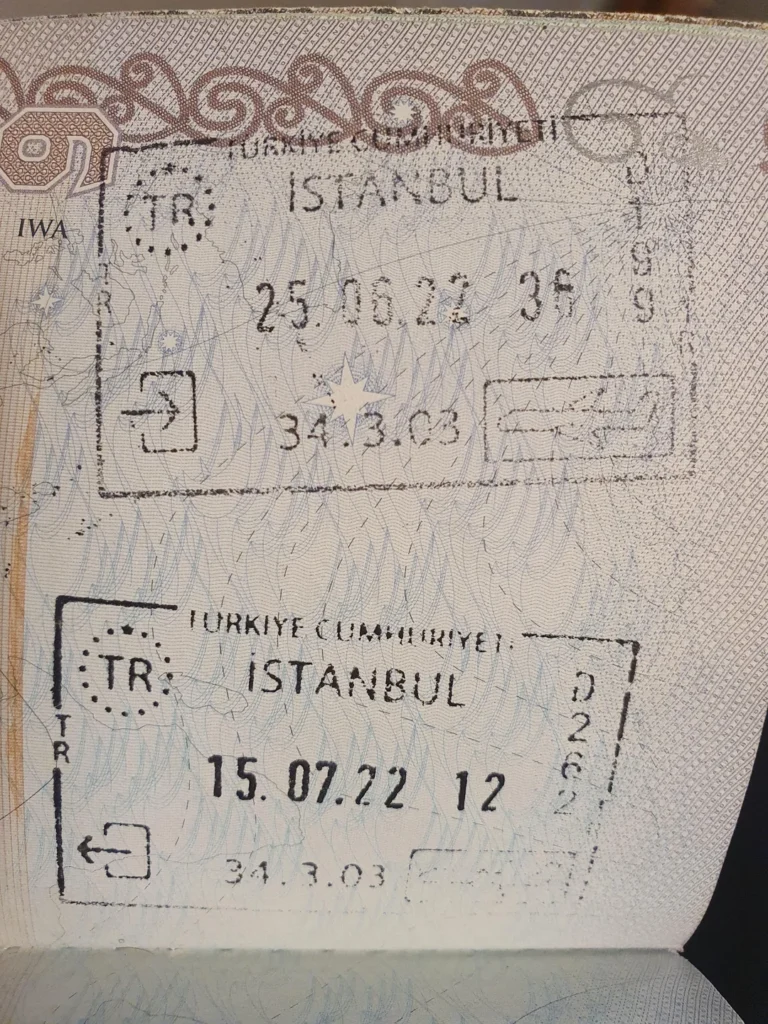
Understanding Turkey’s 60-Day Rule
The legal foundation comes from Turkey’s Law on Foreigners and International Protection (Law No. 6458).
According to the regulation, foreign nationals entering Turkey must carry a passport that remains valid for at least 60 days beyond the duration of stay permitted by their visa, e-Visa, or visa exemption.
That final phrase—”beyond the duration of stay”—is where most travelers become confused.
Many people read travel forums and assume:
- Passport valid today? Good.
- More than 60 days left? Good.
Unfortunately, Turkish immigration rules do not work that way.
The 60-day period starts after your permitted stay ends.
Think of it like this:
Stay connected during your trip
Allowed stay + additional 60 days = minimum passport validity required
Simple in theory.
Expensive if misunderstood.
Why This Rule Matters More Than Ever in 2026
Turkey remains one of the world’s most popular destinations, attracting millions of visitors each year.
Most tourists arriving in Istanbul never interact directly with immigration lawyers or government regulations. They simply apply for an e-Visa or travel visa-free and assume everything is fine.
The problem is that airline systems check passport validity before you ever reach Turkey.
If your passport does not meet the required threshold, the airline may refuse boarding immediately.
That means your Istanbul adventure can end at the check-in counter.
Not at immigration.
Not at passport control.
Before you even get on the plane.

The 150-Day Rule: What Most Tourists Actually Need
For many nationalities, the most common permitted stay in Turkey is 90 days.
This creates the calculation:
- 90-day permitted stay
- Plus 60-day legal buffer
- Total required validity: 150 days
In other words, your passport must remain valid for at least 150 days from your arrival date in Turkey.
Example
Imagine you arrive in Istanbul on June 1, 2026.
Your nationality allows a 90-day stay.
Your passport should remain valid until at least:
- June 1 + 150 days
Not until your planned departure date.
Not until the end of your vacation.
Not until two months later.
Turkey calculates using the maximum stay you are entitled to receive.
That distinction is crucial.
Why Your Planned Departure Date Doesn’t Matter
This is probably the most misunderstood aspect of Turkish immigration law.
Let’s say:
- You plan to stay only 5 days.
- Your nationality is eligible for a 90-day stay.
Many travelers assume Turkey will calculate based on their actual trip.
It doesn’t.
Immigration authorities calculate based on your maximum legal stay entitlement, not your intended departure date.
Even if your return ticket is booked for next week, the system still evaluates your passport against the full stay allowance available to your nationality.
This catches many travelers by surprise.
Passport Validity Examples for Different Stay Lengths
90-Day Stay
Most common tourist scenario.
Calculation:
- 90 days permitted stay
- 60 days additional validity
- Total: 150 days
Required passport validity: 150 days from entry date.
60-Day Stay
Some nationalities receive shorter allowances.
Calculation:
- 60 days stay
- 60 days buffer
- Total: 120 days
Required validity: 120 days from arrival.
30-Day Stay
Certain e-Visas allow only 30 days.
Calculation:
- 30 days stay
- 60 days buffer
- Total: 90 days
Required validity: 90 days from arrival.
Why Airlines Are So Strict
Travelers often ask:
“If Turkish immigration decides, why does the airline care?”
Because airlines can face significant penalties for transporting passengers who do not meet entry requirements.
Check-in staff use international verification systems that compare your passport validity with destination requirements.
According to the source material, airlines may face penalties ranging from approximately €3,000 to €5,000 for transporting inadmissible passengers.
As a result, many systems automatically flag insufficient validity.
The airline is protecting itself.
Not taking chances.
Not making exceptions.
The Safer Alternative: Follow the 6-Month Rule
Although many travelers legally qualify with 150 days of validity, there is a safer benchmark.
Turkey’s Ministry of Foreign Affairs and several foreign governments advise travelers to have at least six months (180 days) of passport validity from the date of arrival.
Why?
Because:
- Travel dates change.
- Flights get cancelled.
- Calculations can be misunderstood.
- Airline agents may apply stricter interpretations.
Having six months of validity provides a comfortable safety margin.
For most travelers, this is the easiest rule to remember.
If your passport expires in less than six months, renew it before traveling.
The Hidden Passport Problems Many Travelers Ignore
Validity is only one part of the equation.
Turkish authorities also pay attention to the physical condition of your passport.
Potential issues include:
- Torn pages
- Water damage
- Loose bindings
- Significant wear and tear
A damaged passport may create problems even if it remains technically valid.
If your passport looks questionable, renewing it before travel is often far cheaper than dealing with a denied boarding situation.
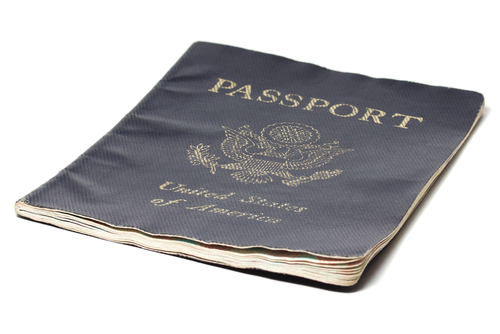
Blank Page Requirements for Turkey
Another detail frequently overlooked is passport space.
Turkey continues to stamp passports upon entry and exit.
Travelers should have:
- At least one completely blank page
- Ideally two blank pages for additional flexibility
Insufficient space can lead to complications during entry procedures.
Before traveling, flip through your passport carefully.
Those nearly full passports can become a bigger problem than many people expect.
Can Some Europeans Enter Turkey Without a Passport?
Yes.
Certain European and neighboring countries can enter Turkey using national identity cards instead of passports.
Examples include:
- Germany
- Belgium
- France
- Italy
- Netherlands
- Spain
- Portugal
- Greece
- Switzerland
- Luxembourg
- Malta
- Liechtenstein
- Georgia
Eligibility and conditions can change, so travelers should always verify current requirements before departure.
For these travelers, standard passport validity calculations may not apply in the same way.
Special Cases: Expired Passports
A surprising exception exists for some European citizens.
Certain nationalities may enter Turkey using recently expired passports under specific conditions.
Examples include:
- German passports expired within one year
- Belgian, French, Spanish, Swiss, Luxembourg, and Portuguese passports expired within five years
However, these are exceptions, not the norm, and travelers should always verify current rules before relying on them.
Common e-Visa Mistakes That Cause Problems
Passport validity is not the only reason travelers encounter issues.
Other common mistakes include:
Name Mismatches
Your application must match your passport exactly.
Even minor spelling differences can create complications.
Incorrect Passport Numbers
A single incorrect digit can invalidate the application.
Wrong Travel Purpose
Tourist e-Visas are not intended for:
- Employment
- Journalism
- Long-term study
- Certain business activities
Using the wrong visa category can lead to rejection.
Previous Immigration Violations
Overstays and deportation histories can affect future applications.
What Happens If You Arrive Without Sufficient Validity?
This is where the situation becomes serious.
Many travelers assume they can:
- Pay a fine
- Sign a waiver
- Explain the mistake
Unfortunately, that is generally not how it works.
The source material specifically notes that there is no emergency waiver system at Istanbul’s airports for travelers who fail to meet passport validity requirements.
Possible outcomes include:
- Denied boarding before departure
- Refusal of entry
- Return flight at your own expense
- Lost hotel reservations
- Lost tour bookings
In short, prevention is much easier than correction.
A Simple Passport Check Before Your Istanbul Trip
Use this quick checklist before traveling.
Step 1
Check your arrival date.
Step 2
Confirm how many days your nationality is allowed to stay.
Step 3
Add 60 days.
Step 4
Compare the result with your passport expiration date.
Step 5
If there is any doubt, renew your passport.
Step 6
Make sure your passport:
- Has blank pages
- Is physically undamaged
- Matches all visa application details
This five-minute review can save thousands of dollars and an enormous amount of stress.
Final Thoughts
The biggest passport mistake travelers make in 2026 is assuming Turkey’s “60-day rule” means 60 days from arrival.
It doesn’t.
The rule requires your passport to remain valid for 60 days beyond the maximum stay permitted under your visa, e-Visa, or visa-free entry status. For many visitors, that translates into a minimum of 150 days of passport validity from the date they enter Turkey.
Before your Istanbul trip, spend a few minutes checking the dates carefully.
It is one of the least exciting parts of travel planning—but it may be the most important.


