Have you ever wanted to step completely off the beaten tourist path and dive headfirst into the real, beating heart of Istanbul’s local food culture? If you are tired of the polished spice stalls of the Grand Bazaar and want to feel the city like a local, you need to set your alarm clock early this weekend. Tucked away in the working-class neighborhood of Kasımpaşa, just a stone’s throw down the hill from the glittering streets of Beyoğlu, lies a culinary treasure: the Inebolu Sunday Village Market.
This is a part of our bigger guide: Istanbul for Foodies: Markets, Tours & Itineraries.
Key Highlights
- Fresh Produce: Pick up seasonal, organically grown herbs, foraged mushrooms, and fresh figs.
- Black Sea Specialties: Shop for thick slabs of rustic village cornbread, rich mountain honey, artisan goat cheeses, rich süzme yogurt, and nuts.
- Vibe: It offers a chaotic, authentic village atmosphere in the heart of the city, heavily populated with local shoppers hunting for the best regional ingredients.
This isn’t just another weekly bazaar. It is a portal. Every single Saturday night, hundreds of farmers load up their trucks in the lush, mountainous Black Sea province of Kastamonu – specifically the coastal town of Inebolu – and drive through the night. They arrive in Istanbul before dawn, bringing the pure, untamed flavors of the Black Sea directly to the city streets. Ready to dive in? Let’s explore exactly how you can navigate and enjoy the most authentic farmers’ market in Istanbul.
What Makes the Inebolu Market a True Local Secret?
- When: Every Sunday (arriving early is highly recommended to beat the crowds).
- Hours: Opens as early as 6:00 AM and usually wraps up early in the afternoon (around 4:00 PM).
- Where: Toprak Tabya Sokak, Kasımpaşa, European side of Istanbul (just off Bahriye Caddesi, near Sururi Park).
- Getting There: The market is located on Inebolu Pazar. From Sultanahmet, you can take the metro to Taksim, transfer to Şişhane station, and take a quick taxi ride to Kasımpaşa.
Istanbul is a city of markets. Almost every neighborhood has a designated day where streets are closed off and filled with the colorful tarps of vendors selling tomatoes and textiles. So, what makes this specific Sunday market in Kasımpaşa so legendary among Istanbul’s top chefs and in-the-know foodies?
Choose best excursion in Istanbul
A Slice of the Black Sea in the Heart of Istanbul
To understand the magic of the Inebolu Market, you have to understand the Black Sea region. Imagine a landscape defined by dramatic emerald-green mountains, misty forests, and fertile valleys. The produce grown here is fundamentally different from the sun-drenched Mediterranean crops you typically find in western Turkey. The soil is rich, the rainfall is heavy, and the farming methods are steeped in generations of tradition.
When you walk into the Inebolu market, you are literally walking into a slice of that environment. You aren’t buying produce that has been sitting in a massive commercial warehouse for weeks. You are buying wild herbs picked from a mountain side less than 24 hours ago. You are buying butter churned by the same woman handing it to you. It’s a farm-to-table experience in its most rugged, unpretentious form.
Why You Won’t Find Many Tourists Here
Why is this incredible spot still a secret? For one, it operates on a completely different schedule than most tourist activities. If you stroll into Kasımpaşa at noon expecting a leisurely Sunday brunch vibe, you will be met with farmers packing up their empty crates.
Furthermore, Kasımpaşa itself is fiercely local. While it sits just below the trendy, tourist-heavy district of Galata, it lacks the boutique hotels and English-language menus of its neighbors up the hill. This market is designed for locals doing their weekly shopping, for chefs sourcing rare ingredients for their restaurants, and for Black Sea expats living in Istanbul looking for a taste of home. There are no souvenirs here—only sustenance.
What to Expect When You Arrive
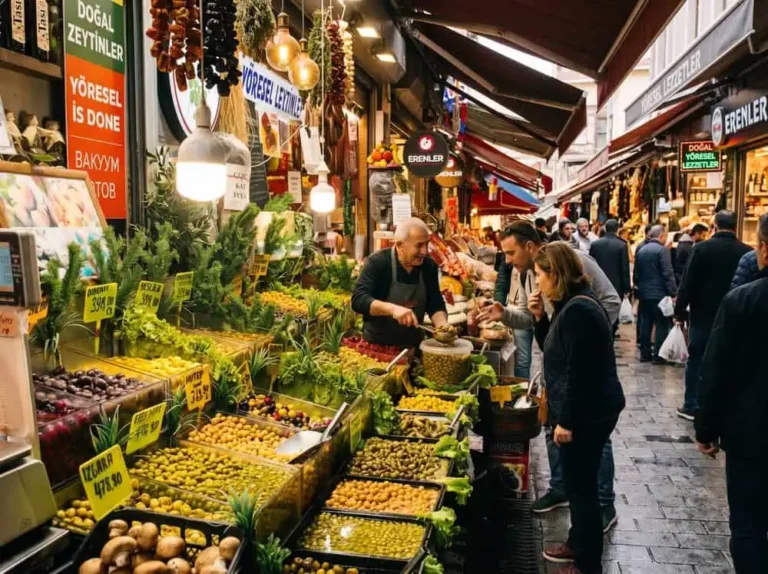
Stepping into the Inebolu market for the first time is an assault on the senses in the absolute best way possible. It is loud, it is crowded, and it is overwhelmingly fragrant.
The Sights, Sounds, and Smells of Kastamonu
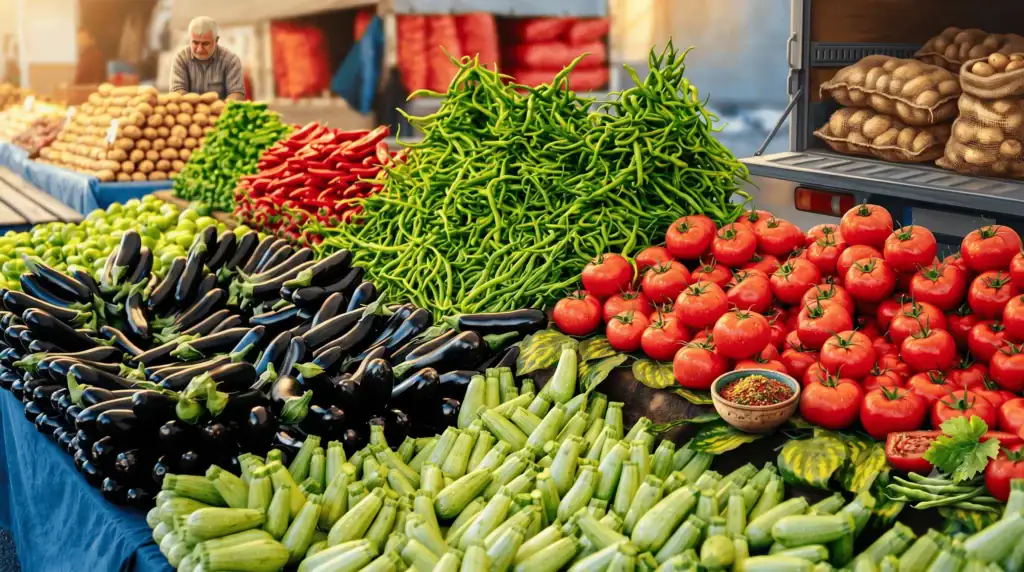
As you approach the market area, the first thing you will notice is the smell of fresh earth, pungent wild herbs, and woodsmoke from the massive loaves of stone-baked bread. The visual landscape is a sea of deep greens, vibrant reds, and earthy browns. You’ll hear a symphony of regional accents as vendors call out their wares in the distinct, rapid-fire dialect of the Black Sea.
Navigating the Crowds Like a Pro
Let’s be clear: this market is not for the faint of heart. It is a working market, and people are there on a mission. Elderly Turkish aunties (teyzed) will elbow past you with their wheeled shopping carts without a second thought. Do not take it personally!
To navigate like a pro, adopt a slow, steady pace. Keep to the right side of the aisles, just as you would in traffic. If you want to stop and look at a stall, tuck yourself slightly out of the main flow of foot traffic. Smile, be polite, but hold your ground.
Top Things to Buy at the Inebolu Market
If you want to shop like a true Istanbul local, you need a strategy. Here are the absolute must-buy items that make the trip to Kasımpaşa worth waking up for.
Stay connected during your trip
Fresh Produce and Wild Foraged Goods
The absolute stars of the show here are the items you literally cannot find in standard supermarkets. Depending on the season, keep your eyes peeled for kanlıca mantarı, a vibrant orange, meaty wild mushroom native to the Black Sea pine forests. You will also find massive bundles of wild garlic, nettles, and thick, sweet Kastamonu garlic.
Don’t skip the fruit. The region is famous for its tiny, incredibly fragrant apples, tart cranberries, and massive chestnuts that are perfect for roasting on a winter evening.
Artisanal Breads, Cheeses, and Dairy
If you buy nothing else, you must buy a loaf of Köy Ekmeği (village bread). These are gigantic, heavy rounds of sourdough baked in wood-fired stone ovens. A single loaf can weigh several kilos, and they stay fresh for over a week.
Pair your bread with some of the legendary dairy products. Look for huge, pale yellow blocks of fresh village butter (köy tereyağı), which has a rich, almost grassy flavor. You will also find various regional cheeses, from salty, crumbly white cheeses perfect for pastries, to stringy, meltable varieties designed for the famous Black Sea dish, mıhlama (a decadent cheese and cornmeal fondue).
How to Get to the Inebolu Market in Kasımpaşa
Getting to the market requires a bit of planning, especially if you are staying in the more common tourist hubs of Sultanahmet or Taksim.
Public Transport Routes to Beyoğlu’s Hidden Gem
Kasımpaşa is located in the valley running down to the Golden Horn from Beyoğlu.
- From Taksim/Beyoğlu: You can actually walk down the hill from the Şişhane metro station. It’s a steep walk down, taking about 15-20 minutes.
- From Sultanahmet: Take the T1 Tram to Karaköy. From Karaköy, you can hop on one of the many buses heading up the Golden Horn towards Kasımpaşa, or take a short, cheap taxi ride.
- By Ferry: You can take a ferry to the Kasımpaşa ferry terminal on the Golden Horn. From there, the market is a short walk inland. Look for Toprak Tabya Sokak.
Best Times to Arrive (And Why Early is Better)
This cannot be stressed enough: the early bird gets the worm. The trucks arrive in the middle of the night, and the market officially kicks off around 6:00 AM.
If you want the best selection of rare wild mushrooms or the freshest butter, you need to be there by 7:00 AM or 8:00 AM. By 10:00 AM, the crowds are at their absolute peak, and the best goods are completely sold out. By 1:00 PM or 2:00 PM, the farmers are already packing up their trucks to make the long drive back to the Black Sea.
Pro Tips for Shopping Like an Istanbul Local
Ready to load up your bags? Keep these final tips in mind to ensure your trip is smooth and enjoyable.
What to Bring With You
- Cash is King: Do not expect any of these farmers to accept credit cards or Apple Pay. Bring plenty of Turkish Lira, ideally in smaller denominations (50s, 100s, and 200s). Breaking a large bill at 7:00 AM for a small bunch of herbs will not win you any friends.
- Sturdy Bags: While vendors provide thin plastic bags, they will quickly tear under the weight of potatoes, heavy stone-baked bread, and jars of local honey. Bring a sturdy canvas tote or a backpack.
- Comfortable Shoes: The streets are cobblestone, uneven, and often wet from vendors washing their produce. Leave the nice shoes at the hotel.
The Etiquette of Haggling at a Village Market
Unlike the Grand Bazaar where haggling is a theatrical sport, haggling at a farmer’s market—especially this one—is generally not done. These are hardworking farmers selling goods with razor-thin margins. The prices are usually clearly displayed on small cardboard signs. If a price isn’t displayed, you can ask politely (Ne kadar? – How much?), but accept the price given. The only time a slight discount might apply is if you are buying in massive bulk, but for standard shopping, pay the asking price out of respect for their immense labor.
Wrapping Up Your Kasımpaşa Adventure
Visiting the Inebolu Sunday Market is an experience that will permanently change the way you view Istanbul. It strips away the polished veneer of the city and reveals a raw, authentic, and deeply communal way of life. When you bite into a slice of thick village bread slathered in golden Black Sea butter, you aren’t just tasting food; you are tasting the soil, the rain, and the dedication of the Kastamonu farmers.
If your goal is to truly feel the city like a local, setting your alarm for 6:00 AM on a Sunday is the most rewarding sacrifice you can make. Grab your tote bags, load up on Turkish Lira, and prepare to discover a side of Istanbul that most visitors never even know exists.