
Welcome to the ultimate guide on where, what, and how to shop in Istanbul. Istanbul isn’t just Turkey’s largest city — it’s a pulsating cultural fusion of Asia and Europe, past and present, tradition and innovation.
Nowhere is this more visible (and more delightful) than in its shopping scene. Imagine a place where you can start your morning sipping Turkish coffee inside a centuries-old bazaar, try on artisan jewelry that hasn’t changed much since the days of the Ottomans, then hop on the metro and end the day inside a futuristic mega-mall with international luxury labels.
Buckle up – you’re about to navigate one of the most exciting shopping cities on Earth. That’s Istanbul.
So, why is shopping here more than just “shopping”? Because it’s a cultural journey.
You’ll interact with craftsmen who still hand-hammer copper. You’ll smell freshly ground sumac in the bazaars. And you’ll haggle—yes, that’s a part of the game—and walk away with something uniquely yours. In Istanbul, every shop has a story. Every street is a retail playground. And every purchase is a memory.
Before we dive into the districts, here are some fast facts every shopper in Istanbul should know.
- Credit and debit cards are widely accepted in malls and larger stores, but always carry cash (Turkish lira) for bazaars and smaller vendors. ATMs are common, and many offer English-language options.
- If you’re a non-resident tourist, you’re eligible for a VAT refund (up to 18%) on purchases over 100 TL in registered stores. Ask for the “tax-free” receipt and show it when you leave Turkey.
- Most malls are open from 10 AM to 10 PM. Bazaars and small shops typically close earlier and may open late on Fridays. Bargaining is customary in bazaars but not in chain stores or malls.
Best Shopping Districts and Neighborhoods
Istanbul isn’t a one-street shopping city. The experience varies dramatically based on the neighborhood you’re in. Here’s where to start.
Where to Shop in Istanbul: Best Districts & Bazaars
Istanbul is sprawling, so let’s divide it into key shopping hubs to help you make sense of where to go and why.
1. Grand Bazaar – The Epicenter of Turkish Commerce

No Istanbul shopping guide can begin without the Grand Bazaar (Kapalıçarşı). Opened in 1461, it’s one of the oldest and largest covered markets in the world, with:
- Over 4,000 shops
- 60+ labyrinthine streets
- A daily average of 250,000–400,000 visitors
- It’s not just a place to buy things—it’s an experience. You’ll find:
- Hand-knotted Turkish carpets
- Hand-painted Iznik ceramics
- Antique jewelry
- Genuine leather products
- Evil eye charms
- Artisan teas and spices
💡 Pro Tip: Always haggle. It’s expected here.
👉 More about Grand Bazaar could be explored in our Grand Bazaar guide.
2. Egyptian Bazaar (Spice Bazaar) – Scented Wonders
Just next to the Golden Horn, the Egyptian Bazaar overwhelms the senses in the best way. This 17th-century bazaar was built to fund the upkeep of the New Mosque. Locally known as the Mısır Çarşısı, this market is a kaleidoscope of color and fragrance.
You’ll smell it before you see it: saffron, cinnamon, dried roses, mint, and hundreds of spices line the stalls. Sample dried apricots, rose teas, saffron, and Turkish coffee blends as you browse. What to buy?
- Turkish delight (Lokum)
- Herbal teas
- Rare spices
- Dried fruits and nuts
- Natural remedies
👉 The Egyptian Bazaar boasts a rich tapestry woven with threads of time. Its story stretches back to the 17th century – Explore our page about Egypt Bazaar experience.
3. Sultanahmet – Where Souvenirs Meet History
Sultanahmet isn’t just the heart of tourism—it’s also full of small, character-rich stores. Nestled between major landmarks like Hagia Sophia and the Blue Mosque, you’ll find:
- Mini-bazaars selling textiles and scarves
- Handmade mosaic lamps
- Traditional Ottoman calligraphy
- Ceramics and miniatures
The experience of shopping here, with the sound of the call to prayer in the background, is uniquely Istanbul.
4. Nişantaşı – Istanbul’s High-End Haven
Nişantaşı is where the fashion elite shop. If you’re looking for the Turkish version of Rodeo Drive or Champs-Élysées, this is it.
- On Abdi İpekçi Street, you’ll find:
- Chanel, Gucci, Louis Vuitton
- Turkish luxury designers like Vakko, Beymen, and Arzu Kaprol
- High-end cafes and patisseries
- Interior design and luxury gift boutiques
5. Istiklal Street – Buzzing with Life

Running from Taksim Square to the Galata Tower, Istiklal Avenue is a pedestrian street packed with:
- Global brands like Zara, Bershka, and H&M
- Turkish chains such as LC Waikiki, Mavi, and Koton
- Bookstores, music shops, and hidden arcades
- Local boutiques tucked into alleyways
Expect live street music, food vendors, and a truly urban vibe.
6. Kadıköy & Moda – Vintage, Indie & Eclectic
Looking for something unique or second-hand? Hop on a ferry to the Asian side of Istanbul. In Kadıköy and nearby Moda, you’ll discover:
- Thrift stores and vintage denim
- Indie design studios
- Handmade jewelry and crafts
- Vinyl shops and bookstores
Shopping Malls in Istanbul: Where Modern Retail Shines
While bazaars offer a traditional shopping vibe, Istanbul’s malls are next-level experiences—massive, sleek, and packed with both global and Turkish brands. Whether you’re after high fashion or family-friendly fun, here are the must-visits.
1. Istinye Park – Where Luxury Meets Local
Located in the Sarıyer district, Istinye Park is Istanbul’s most glamorous mall. Divided between an open-air square and a domed glass indoor section, it features both luxury designer stores and high-end Turkish brands. Istinye Park combines:
- 300+ stores
- A glamorous open-air shopping street with global luxury brands
- Indoor mall zones with mid-range and high-end local labels
- One of Istanbul’s most extensive gourmet food courts
- Here’s what you’ll find:
- Louis Vuitton, Prada, Burberry
- Turkish designers like Vakko and Beymen Club
- High-end restaurants and cafes
💡 Tip: Go on a weekday morning to avoid crowds and enjoy a more relaxed experience.
2. Kanyon Mall – Istanbul’s Architectural Gem
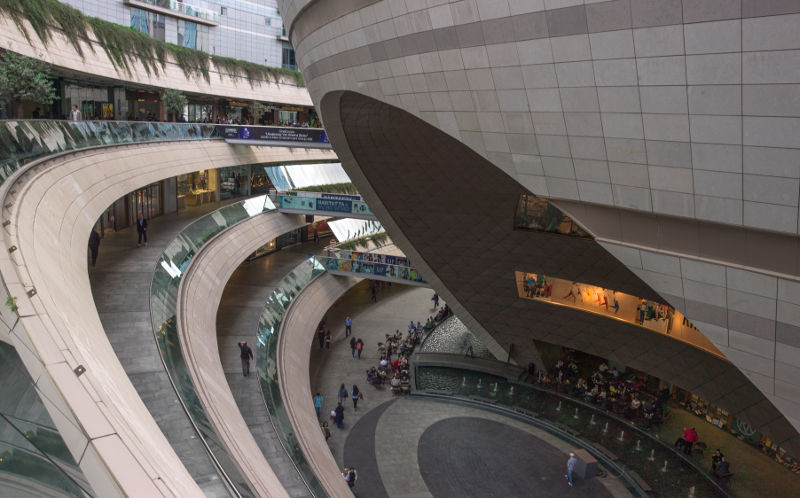
Kanyon isn’t just a mall—it’s a work of modern architecture, with its canyon-like open structure curving through Levent. It’s an urban lifestyle center, not just a shopping spot. With stores like Harvey Nichols and MAC, it caters to mid-to-upper-end shoppers.
Inside Kanyon:
- 160+ shops (Harvey Nichols, COS, Massimo Dutti)
- Cinemas, fitness centers, fine dining
- Trendy local fashion brands
3. Forum Istanbul – Shop, Eat, and Meet a Shark
Yes, really. Forum Istanbul in Bayrampaşa houses SEA LIFE Aquarium and LEGOLAND Discovery Center, making it ideal for families.
Expect:
- IKEA, MediaMarkt, Decathlon
- Brands like H&M, Mango, and Bershka
- Restaurants ranging from fast food to Turkish grill
What to Buy in Istanbul: The Ultimate Shopping Checklist
Let’s move from where to what. Here are items that are either uniquely Turkish, great value, or simply irresistible.
Turkish Textiles & Carpets
Turkey is globally known for its carpet weaving heritage. Even if you’re not buying a large rug, check out:
- Kilim runners (great for hallways)
- Silk scarves and pashminas
- Hand-loomed peshtemals (Turkish towels)
🧠 Insider tip: Ask the seller to explain the meaning behind the carpet’s symbols. Many patterns have stories rooted in tribal history.
Spices, Sweets, and Edibles
Don’t leave Istanbul without grabbing:
- Saffron (check if it’s Iranian or Turkish)
- Pul biber (crushed red pepper)
- Pistachio baklava from Karaköy Güllüoğlu
- Turkish delight in rose, pomegranate, and even coffee flavors

💡 Packing tip: Ask the vendor to vacuum seal spices and sweets for travel.
Gold, Silver & Handmade Jewelry
Turkey has a thriving gold and silver industry. You’ll find:
- 22-carat gold Ottoman coin jewelry
- Elegant filigree silver earrings
- Personalized name necklaces in Arabic or Turkish calligraphy
💡 Warning: Only buy from reputable shops—avoid street vendors for precious metals.
Local Fashion & Turkish Brands
While international brands are everywhere, supporting local Turkish labels gets you more original fashion and better value.
Top Turkish fashion brands to try:
- Mavi – High-quality denim
- Koton – Affordable fashion
- Yargıcı – Minimalist and artsy
- Les Benjamins – Streetwear with cultural twists
- Vakko – High-end fashion house
The Art of Haggling in Istanbul
This might feel intimidating, but it’s part of the culture and often expected in bazaars and small boutiques. Think of it as a dance, not a battle. And say “çok pahalı” (too expensive) to get things started.
🎯 Step-by-Step Haggling Guide:
Start with a Smile
Be polite. Compliments don’t hurt either—build rapport.
Don’t Show Too Much Interest
Look casual. The more desperate you seem, the higher the price.
Ask for the Price, Then Offer Half
It’s standard. You’ll usually meet somewhere in the middle. Use local phrases: “Biraz indirim yapar mısınız?” (Can you give me a discount?)
Bundle Items
Buying two or three? Ask for a discount on the total.
Be Willing to Walk Away
This is the ultimate move. Often, the seller will call you back with a lower price.
Shopping on a Budget: Where to Find Great Deals
You don’t have to spend a fortune to shop in Istanbul. If you know where to go, you can walk away with bags of goodies for less than €50.
Where to Go for Budget Shopping:
- Mahmutpaşa Bazaar: Clothing, shoes, and accessories at wholesale rates
- Fatih Pazarı (Wednesday Market): Massive street market with everything from socks to spices
- Tahtakale: Discount electronics, home goods, tools, and stationery
- Second-hand and vintage shops in Kadıköy
Whether you are a vintage lover, a bargain hunter, or someone who prefers sustainable fashion, The Ultimate Guide to Second-Hand Shopping in Istanbul will take you through the best places for second-hand shopping in Istanbul.
💡 Pro Tip: Prices are generally lowest in open-air street markets, especially during weekday mornings.
High-End & Luxury Shopping in Istanbul
If you’re all about brands and elegance, Istanbul has no shortage of luxury options—often at prices cheaper than Paris or Milan (thanks to exchange rates and tax refunds).
Top Luxury Shopping Streets:
- Abdi İpekçi Street (Nişantaşı): Chanel, Prada, Tom Ford, plus Turkey’s own Vakko
- Bağdat Avenue (Asian Side): High-end local and global fashion in a relaxed setting
- Zorlu Center: Apple Store, Valentino, Dolce & Gabbana in a luxurious atmosphere
- Emaar Square Mall: High-fashion stores + aquarium + gourmet restaurants
Night Shopping in Istanbul: After-Dark Retail Therapy
Unlike many European cities, Istanbul doesn’t sleep early—and neither do many of its shops.
Best Spots for Night Shopping:
- Istiklal Street: Shops open till 10–11 PM, especially on weekends
- Kadıköy Markets: Late-night vintage and art markets often pop up in Moda
- Mall Late Hours: Malls like Cevahir, Zorlu, and Forum Istanbul are open until 10 PM or later on Fridays and Saturdays
Turkish Brands to Watch: Local Labels, Global Quality
While many travelers focus on international brands, shopping in Istanbul offers a golden opportunity to explore Turkish brands that often deliver better craftsmanship and price-to-quality ratios. Some of these brands are also gaining international fame, so it’s your chance to shop them at their origin.
1. Vakko
Think of Vakko as the Turkish answer to Hermès or Armani. It’s chic, elegant, and distinctly Turkish. Expect:
- Luxurious women’s and men’s fashion
- Leather handbags and accessories
- Exquisite scarves and silk shawls
Tip: Visit the Vakko flagship in Nişantaşı for their full range.
2. Mavi Jeans
Mavi is a globally exported Turkish denim brand, known for its:
- Comfortable, tailored jeans
- Youthful streetwear aesthetic
- Affordable pricing
Mavi stores are widespread, including in Istiklal Street, Cevahir Mall, and Zorlu Center.

3. Koton
For affordable, trendy fashion that changes with the seasons, head to Koton:
- Women’s and men’s casualwear
- Affordable basics and accessories
- Great for fashion-forward pieces under €20
4. Yargıcı
Minimalism meets Mediterranean chic. If you like brands like Zara Home or Massimo Dutti, Yargıcı will feel like home.
- Soft, flowing fabrics
- Coastal-themed jewelry and accessories
- Cozy home décor
5. Les Benjamins
If you love streetwear with substance, check out this Istanbul-born global brand:
- Bold, East-meets-West designs
- Hoodies, caps, jackets
- Inspired by Turkish heritage and contemporary street culture
Insider Shopping Tips for First-Time Visitors
Istanbul can be overwhelming for newcomers. Here are tips to help you shop smart, save money, and enjoy the ride.
1. Cash vs. Card
Malls, chain stores, and boutiques accept cards.
Markets, bazaars, and smaller shops prefer cash — and sometimes offer better deals for it.
ATMs are plentiful, but try to withdraw in Turkish Lira to avoid poor exchange rates.
2. Tax-Free Shopping
Tourists spending over 200 TL in a single shop can get VAT refunds at the airport. Ask the shopkeeper for:
- A “Tax-Free Form”
- A stamped receipt
You’ll need to show the goods and forms at customs before checking your luggage.
3. Shipping Large Items
Buying a carpet or large ceramic piece? Most reputable shops offer international shipping.
Get shipping rates in writing.
Ask about insurance and customs declarations.

4. Best Times to Shop
Mornings are quietest in bazaars.
Mid-week days (Tuesday–Thursday) are great for mall visits.
Sales seasons: Late January and July (end of winter/summer collections)
5. Bring Your Phone
Many sellers use WhatsApp for follow-up orders, photos, or digital payments. A local SIM or eSIM is worth having for navigation and communication.
Shopping in Istanbul Is a Journey, Not Just a Task
Istanbul’s shopping scene is as rich and layered as its history. You’ll wander through centuries-old alleyways where the art of haggling lives on, and minutes later, you’ll stroll under glass ceilings inside futuristic malls. Whether you’re hunting for affordable keepsakes, luxury labels, or hidden gems, you’ll find them here.
Shopping in Istanbul isn’t just about what you buy—it’s about how you buy it. It’s the conversations, the aromas, the textures, the people. So come ready to explore, ask questions, sip tea with a stranger, and take your time.
When you leave Istanbul, your suitcase may be heavier—but your heart will be, too.
Shopping in Istanbul: From Grand Bazaars to Luxury Malls 2026
Why Istanbul Is One of the World’s Great Shopping Cities
A City That Has Been Trading for Three Thousand Years
Istanbul was literally built on trade. As the ultimate crossroads between Europe and Asia, it has been the globe’s primary commercial hub for millennia. From Silk Road merchants hawking spices to modern fashion houses displaying haute couture, the act of buying and selling is woven directly into the city’s DNA.
The Extraordinary Range — Ancient Bazaar to Designer Boutique
There is no commercial whiplash quite like Istanbul. In a single afternoon, you can haggle over a hand-woven kilim in a 15th-century stone corridor, and an hour later, swipe your card for a bespoke designer jacket in a gleaming, glass-and-steel luxury mall. The spectrum of retail here is unmatched anywhere in the world.
Shopping as Cultural Experience — Not Just Commerce in Istanbul
Shopping in Istanbul is rarely a transactional, silent affair. It is a social ritual. It involves drinking countless glasses of apple tea, discussing family histories, admiring craftsmanship, and engaging in the friendly theater of bargaining.
How to Use This Guide — Markets, Malls, Streets & Neighborhoods
This comprehensive guide breaks down the massive Istanbul retail landscape for 2026. Use it to navigate the labyrinth of the Grand Bazaar, discover independent Turkish designers in Beyoğlu, plan your luxury shopping spree in Nişantaşı, and avoid common tourist traps.
Understanding Istanbul’s Shopping Landscape
The Four Worlds of Istanbul Shopping
Historic Bazaars & Covered Markets
These are the ancient, labyrinthine hubs like the Grand Bazaar and Spice Bazaar, offering textiles, jewelry, ceramics, and spices in a highly atmospheric setting.
Street Markets & Weekly Neighborhood Bazaars
The authentic, local side of shopping. These open-air weekly markets (like the Kadıköy Tuesday Market) pop up in specific neighborhoods, selling fresh produce, cheap clothing, and household goods.
Independent Boutiques & Designer Streets
Found in districts like Galata, Cihangir, and Moda, these streets are lined with independent Turkish artisans creating contemporary fashion, ceramics, and bespoke leather goods.
Modern Shopping Malls & Luxury Centers
Istanbul boasts some of Europe’s largest and most opulent shopping malls, offering global mega-brands, international luxury houses, and premium Turkish department stores in climate-controlled comfort.
Shopping Neighborhoods — A Geographic Overview
- Sultanahmet/Fatih: Historic bazaars, carpets, souvenirs, and traditional crafts.
- Beyoğlu/Galata: Independent music shops, vintage clothing, high-street brands, and artisan boutiques.
- Nişantaşı: The epicenter of luxury fashion and haute couture.
- Kadıköy (Asian Side): Local street markets, indie bookstores, and alternative fashion.
Bargaining Culture — When to Negotiate and When Not To
Rule of thumb: If there is a barcode or a printed price tag, you do not negotiate. Bargaining is expected in the historic bazaars, antique shops, and carpet stores. It is completely unacceptable in modern malls, supermarkets, or independent designer boutiques.
Understanding Turkish Retail Hours & Shopping Rhythms
Most independent shops open around 10:00 AM and close around 8:00 PM. Modern shopping malls operate strictly from 10:00 AM to 10:00 PM daily. The Grand Bazaar is closed on Sundays.
VAT Refund for Tourists — How Tax-Free Shopping Works in Turkey
Turkey applies a Value Added Tax (VAT) of 8% to 18% depending on the item. Tourists can claim this back. Look for “Tax-Free” logos in store windows, ask for a “Tax-Free Form” at the register, and present your goods and paperwork to the customs desk at the airport before checking your luggage.
The Grand Bazaar — The World’s Most Famous Market
The History & Scale of the Grand Bazaar
From Ottoman Trading Hub to Global Landmark
Commissioned by Mehmed the Conqueror shortly after 1453, the Kapalıçarşı (Covered Market) was designed to stimulate the city’s economy. It has survived fires, earthquakes, and modern retail trends, operating continuously for nearly 600 years.
How Many Shops, Streets & Gates Does It Really Have?
It is a walled city within a city. The complex encompasses 61 covered streets, roughly 4,000 shops, and 22 massive entrance gates, employing tens of thousands of people.
Navigating the Grand Bazaar — A Practical Layout Guide
The Main Gates — Which to Enter and Why
Gate 1 (Nuruosmaniye) is the most glamorous, leading directly into the sparkling jewelry district. Gate 7 (Beyazıt) is the most practical if arriving via the T1 Tram.
The Bedesten — The Oldest and Most Precious Section
The İç Bedesten (Inner Bedesten) is the historic core. Recognizable by its massive stone pillars, this is where the most valuable items—antiques, rare coins, and old weaponry—are traditionally kept.
The Jewelry District Within the Bazaar
The main thoroughfare (Kalpakçılar Caddesi) stretching between the Beyazıt and Nuruosmaniye gates is a blinding corridor of gold, diamonds, and precious stones.
Carpet & Kilim Streets — How to Find the Real Ones
Venture slightly off the main thoroughfares into the side alleys (like Zincirli Han) to find the multi-story carpet showrooms where the air smells of wool and the real treasures are kept.
Leather, Textile & Clothing Sections — Where to Look
The outer fringes of the bazaar, particularly the northern and western sections, are packed with leather jackets, silk scarves, and traditional Turkish towels (peshtemal).
What to Buy in the Grand Bazaar
Genuine Antiques vs Tourist Reproductions — How to Tell
If a “Roman coin” is sitting in a basket of 50 identical coins for $10, it is a reproduction. True antiques are sold in specialized shops in the Bedesten, accompanied by documentation and a serious price tag.
Gold & Silver Jewelry — Quality, Carats & Price Guide
Turkish gold is highly pure (often 22k or 24k) and sold by weight plus a craftsmanship fee. Silver is widely available and should carry a 925 stamp indicating sterling quality.
Ceramics, Tiles & Iznik Pottery — Authentic vs Mass-Produced
Authentic Iznik ceramics are hand-painted, have a high quartz content (making them slightly heavy and cool to the touch), and feature intricate, slightly textured paint. Mass-produced bowls are smooth and uniformly printed.
Leather Goods — Bags, Jackets & What to Avoid
Turkey produces exceptional leather. You can often have a jacket tailored to fit you perfectly within 24 hours. Avoid stalls selling obvious designer knock-offs; focus on unbranded, high-quality local craftsmanship.
Textiles, Pashminas & Turkish Fabrics
Look for 100% cotton or bamboo peshtemals (hammam towels) and silk and cashmere blends from Bursa, Turkey’s historic silk capital.
Bargaining in the Grand Bazaar — The Complete Playbook
How to Open a Negotiation Without Offending Anyone
Wait for the vendor to name the first price. Do not look overly excited about the item. Counter with roughly 50% of their asking price.
The Psychology of Bazaar Bargaining
It is a dance. The vendor will act shocked by your low offer; you must act mildly disinterested. Drink the tea they offer you—it does not legally bind you to buy anything, it simply slows the pace.
When to Walk Away and What Happens Next
Walking away is your strongest tactic. If you slowly start to leave the shop and they let you go, you hit their absolute bottom price. If they chase you into the street with a new calculator number, the negotiation is still alive.
Fair Price Guide — What Things Actually Cost
Because prices fluctuate with the currency, look at the craftsmanship rather than a fixed number. A mass-produced ceramic bowl might be $5, while a hand-painted Iznik masterpiece will be $150. A pure silk carpet can take a year to weave and will cost thousands.
Eating & Drinking Inside the Grand Bazaar
Look for Dönerci Şahin Usta near the eastern exits for legendary street food, or stop at Şark Kahvesi inside the bazaar for a traditional Turkish coffee break.
Avoiding Scams & Pressure Sales in the Grand Bazaar
Never feel pressured to buy. If a tout is too aggressive or a shop feels intimidating, simply smile, say “No thank you” firmly, and walk out. Be wary of “guides” who offer to show you around; they are taking you to their uncle’s shop to earn a commission.
Best Time to Visit — Crowds, Light & Shopping Conditions
Arrive right when it opens (around 9:00 AM) or late in the afternoon. Midday is when the massive cruise ship tour groups arrive, creating suffocating bottlenecks in the main arteries.
Grand Bazaar Practical Information 2026
- Hours: 8:30 AM to 7:00 PM.
- Closed: Sundays and major religious holidays.
- Payment: Cash (TRY, USD, EUR) gets the best bargaining rates, though credit cards are widely accepted.
The Spice Bazaar — Aromas, Flavors & Sensory Overload
The History of the Egyptian Bazaar (Mısır Çarşısı)
Built in 1660 as part of the New Mosque complex, it earned the name “Egyptian Bazaar” because it was built using revenues from the Ottoman eyalet of Egypt. It was the final destination for camel caravans traveling the Silk Road.
Navigating the Spice Bazaar — Layout & What’s Where
It is an L-shaped building, much smaller and easier to navigate than the Grand Bazaar. The interior stalls sell premium spices, teas, and sweets, while the exterior stalls sell seeds, gardening supplies, and local cheeses.
What to Buy at the Spice Bazaar
Spices — What’s Authentic and What’s Padded With Filler
Buy sumac, isot pepper (Urfa biber), pul biber (Aleppo pepper), and pure saffron. Avoid pre-mixed “Ottoman Spices” which are often padded with cheap fillers to bulk up the weight.
Turkish Delight (Lokum) — Quality Guide & Best Stalls
Never buy pre-packaged boxes stacked in the sun. Buy your lokum from the massive blocks displayed in the windows. Have them slice it fresh and vacuum seal it for your flight.
Dried Fruits, Nuts & Specialty Foods
Turkey produces incredible dried figs, apricots from Malatya, and pistachios from Gaziantep. They are heavy, but make the best edible souvenirs.
Herbal Teas, Natural Remedies & Traditional Supplements
Look for dried linden flowers (ıhlamur), rosehips, and natural pomegranate molasses (nar ekşisi), which is vastly superior to the sugary supermarket syrups.
Saffron — How to Buy Real Saffron in Istanbul
True saffron (Iranian or Turkish) is incredibly expensive. If it is cheap, it is “safflower” (fake saffron). Real saffron threads are deep red with a slightly trumpet-shaped end.
The Streets Around the Spice Bazaar — Often Better Than Inside
Tahmis Street — The Coffee Roaster’s Alley
Follow the smell of roasting beans to Kurukahveci Mehmet Efendi, where locals line up to buy freshly ground Turkish coffee handed through a small window.
Hasırcılar Street — Kitchenware, Copper & Cooking Essentials
The streets winding uphill behind the bazaar are where actual Istanbulites shop for copper pots (cezve), wholesale nuts, and traditional Turkish coffee cups.
Spice Bazaar Bargaining Tips & Price Awareness
Spices are sold by weight. Prices are usually marked per kilo or per 100 grams. There is very little wiggle room on food items, though if you buy bulk amounts of Turkish Delight, you can ask for a small discount.
Best Time to Visit the Spice Bazaar
Late morning on a weekday. Weekends are absolute chaos, packed with domestic tourists.
Istanbul’s Weekly Street Markets — Shopping Like a Local
Why Street Markets Are the Most Authentic Shopping Experience
Weekly neighborhood markets (pazar) are the backbone of local domestic life. They are chaotic, loud, incredibly cheap, and offer a fascinating glimpse into everyday Turkish culture without the tourist polish.
Kadıköy Tuesday Market (Salı Pazarı) — The Asian Side’s Best
What to Find at the Kadıköy Tuesday Market
Massive piles of fresh produce, spices, olives, cheap clothing, export-overrun textiles, and homewares. It is a sensory overload.
How to Navigate This Market Without Feeling Overwhelmed
Go early in the morning. Bring small cash (coins and 10, 20, 50 TRY notes) and a sturdy reusable bag. Do not attempt to negotiate the vegetable prices; they are already rock bottom.
Beşiktaş Street Market — Chaotic, Cheap & Completely Real
Held on Saturdays in a multi-story car park structure. The ground floor is a sprawling farmers market, while the upper floors sell heavily discounted clothing, shoes, and home goods.
Fatih Wednesday Market — Conservative Istanbul’s Shopping Heartbeat
The Çarşamba Pazarı is enormous, taking over the streets of the conservative Fatih district. It offers a deeply traditional, fascinating look at local life and commerce.
Üsküdar Thursday Market — Hidden Asian Side Gem
Smaller than Kadıköy’s but highly authentic, offering beautiful fresh produce and textiles with a stunning ferry ride required to get there.
Balat & Fener Weekend Markets — Vintage, Craft & Community
These highly gentrified areas host weekend pop-up markets focusing on vintage clothing, antique books, and independent crafts rather than fresh produce.
Organic & Farmers Markets in Istanbul
Şişli Organic Market — Premium Produce & Artisan Foods
Held on Saturdays in Bomonti, this Ekolojik Pazar is where the city’s health-conscious elite buy certified organic produce, natural cosmetics, and artisan cheeses.
Boğaziçi University Organic Market — Student-Run & Excellent
A smaller, more intimate organic market on the European side with a strong community vibe.
Seasonal & Festival Markets in Istanbul
Christmas & New Year Markets in Istanbul
In December, areas like Galataport and certain upscale malls host European-style winter markets selling mulled wine, crafts, and festive foods.
Ramadan Night Markets — Shopping After Iftar
During the holy month, squares near major mosques (like Eyüp and Sultanahmet) host bustling night markets selling traditional sweets and crafts until the early hours of the morning.
Antique & Vintage Shopping in Istanbul
Istanbul’s Deep Antique Culture — A Collector’s Paradise
Because Istanbul was the center of the Ottoman Empire, its attics and basements are filled with centuries of history. From Byzantine coins to 19th-century French furniture imported by Ottoman elites, the antique hunting here is world-class.
Çukurcuma — The Antique Capital of Istanbul
The Best Antique Shops on Çukurcuma Caddesi
Located just downhill from İstiklal Avenue, this winding neighborhood is packed with elegant antique shops. A La Turca is a famous standout for high-end Anatolian rugs and Ottoman objects.
What to Look for & What Prices to Expect
Expect to find Ottoman calligraphy, vintage lighting, 20th-century Turkish movie posters, and mid-century furniture. Prices are high but often negotiable.
The Saturday Morning Çukurcuma Experience
Wander the streets on a weekend morning, grabbing a coffee at a local cafe and browsing the curios spilling out onto the sidewalks.
Horhor Antique Market — Istanbul’s Largest Antique Complex
Navigating Horhor’s Multiple Floors & Stalls
Located in the Aksaray district, Horhor is a towering, multi-story building housing over 200 individual antique dealers. It is gritty, dusty, and absolutely fascinating.
Best Categories at Horhor — Furniture, Clocks & Curiosities
This is where interior designers shop. You will find massive chandeliers, European antique furniture, and restored Ottoman grandfather clocks.
Bit Pazarı (Flea Market) in Beyoğlu
For true vintage thrifting, look for the pop-up flea markets and vintage clothing stores tucked into the side arcades (pasajlar) off İstiklal Avenue.
Antique Shops Around the Grand Bazaar’s Edges
The streets leading down toward the water from the Grand Bazaar are filled with old bookstores (sahaf) and dealers selling brassware and Ottoman-era maps.
Export Rules for Antiques — What You Can and Cannot Take Home
Crucial: It is strictly illegal to export anything classified as a historical antiquity (generally anything over 100 years old from the Ottoman or Byzantine eras). Authentic antique purchases must come with official export certificates from the Ministry of Culture. When in doubt, do not risk it at the airport.
Turkish Arts, Crafts & Artisan Shopping
Understanding What Makes Turkish Craftsmanship Special
Turkish crafts are deeply tied to regional geography. The clay comes from specific Anatolian riverbeds; the rug patterns tell the specific stories of nomadic tribes. You are buying heritage, not just a product.
Iznik & Kütahya Ceramics — The Tile Tradition Explained
How to Identify Genuine Iznik Ceramics
Iznik is the premium standard, defined by its high quartz content, making it heavy and resonant. Kütahya is the more common, slightly less vibrant, but still beautiful traditional pottery.
Best Shops for Authentic Turkish Ceramics in Istanbul
Skip the cheap souvenir stands. Visit dedicated showrooms like Iznik Art in the Grand Bazaar or the artisan workshops near the Little Hagia Sophia.
Hand-Painted vs Machine-Printed — The Quality Test
Run your fingers over the design. Hand-painted Iznik tiles will have a slight, raised texture where the glaze was applied. Machine-printed tiles are perfectly smooth and flat.
Hand-Woven Carpets & Kilims — The Ultimate Istanbul Purchase
Turkish Carpet Regions & Their Distinctive Styles
Hereke is famous for impossibly fine silk rugs. Usak produces large, muted, elegant room-sized carpets. Anatolian Kilims (flat-weaves) are bright, geometric, and tell tribal stories.
Wool vs Silk vs Cotton — Understanding Carpet Materials
- Wool on Wool: Durable, thick, great for high traffic.
- Wool on Cotton: Allows for tighter knots and finer details.
- Pure Silk: Extremely expensive, shimmers in the light, often hung as art rather than walked on.
How to Evaluate Carpet Quality Before You Buy
Flip it over. The design on the back should be almost as clear as the front. Look at the knot density—tighter knots mean higher quality and longer weaving times.
Shipping a Carpet Home — Logistics, Cost & Documentation
Any reputable carpet dealer in Sultanahmet or the Grand Bazaar will ship the carpet directly to your door via DHL or FedEx. The cost is usually folded into your final negotiated price.
Copper & Brassware — Functional Beauty From the Bazaar
Buy a heavy, solid copper cezve (Turkish coffee pot) or a set of traditional hammered copper plates from the coppersmiths (bakırcılar) operating near the Spice Bazaar.
Evil Eye (Nazar Boncuğu) — History, Meaning & Best Versions to Buy
The blue glass eye is meant to ward off jealous stares. Skip the plastic keychains and look for the artisan, hand-blown glass versions made in traditional Anatolian furnaces.
Calligraphy & Islamic Art — Galleries & Studios to Visit
The streets around the Fatih Mosque and the Süleymaniye complex are home to studios where master calligraphers (hattat) practice their art on handmade marbled paper.
Traditional Turkish Embroidery & Textile Arts
Look for Oya (traditional needle lace) often used to edge scarves. It is incredibly intricate and makes a beautiful, lightweight souvenir.
Marbling (Ebru) Art — Studios, Workshops & What to Buy
Ebru is the hypnotic art of painting on water and transferring the design to paper or silk. You can buy beautiful Ebru silk scarves in the Arasta Bazaar.
Meerschaum Pipes & Carved Objects — A Uniquely Turkish Craft
Carved from a soft, white mineral found primarily in Turkey, these intricate pipes are prized by collectors and found in the inner Bedesten of the Grand Bazaar.
Fashion Shopping in Istanbul — Turkish Design & Street Style
Istanbul’s Fashion Identity — East Meets West on the Runway
Istanbul fashion is highly dynamic. It blends conservative, modest fashion with cutting-edge, avant-garde European street style, resulting in a retail landscape that is impossible to categorize.
Turkish Fashion Designers Worth Knowing
Emerging Istanbul Designers Making Global Waves
Keep an eye out for brands like Les Benjamins (luxury streetwear that frequently collaborates with global brands) and Dice Kayek (architectural, elegant womenswear).
Established Turkish Fashion Houses & Their Flagships
Vakko and Beymen are the undisputed kings of Turkish luxury retail, offering their own impeccable house lines alongside curated international designers.


Nişantaşı — Istanbul’s Fashion Capital
Abdi İpekçi Street — Luxury Labels & Turkish High Fashion
The most expensive street in Turkey. Expect to find Prada, Hermes, and Chanel rubbing shoulders with premium Turkish jewelers and high-end cafes.
Teşvikiye & Valikonağı Streets — Designer Shopping Circuit
The streets branching off the main luxury avenue are packed with brilliant, slightly more accessible independent Turkish fashion designers and contemporary boutiques.
Best Concept Stores in Nişantaşı
Look for stores like Vakkorama or independent concept spaces that blend fashion, art books, and in-house cafes.
Beyoğlu & İstiklal — High Street Fashion & Youth Culture
Turkish Brands Dominating İstiklal Avenue
İstiklal is the high street. Look for major Turkish brands like LC Waikiki (budget family fashion), Koton (trendy fast fashion), and Mavi (premium Turkish denim).
Side Street Boutiques Off İstiklal — The Independent Scene
Walk down Serdar-ı Ekrem street near the Galata Tower to find incredible independent designers selling minimalist clothing and handmade leather shoes.
Bağdat Avenue — Asian Side’s Fashion Corridor
The Character & Shopping Experience of Bağdat Avenue
A 14-kilometer stretch of wide, tree-lined avenue on the Asian side. It is relaxed, upscale, and heavily favored by local Istanbulites over the crowded European malls.
Turkish & International Brands Along Bağdat
It features a mix of global luxury brands, high-street staples, and massive, multi-story department stores like Boyner.
Vintage & Second-Hand Fashion in Istanbul
Best Vintage Clothing Shops in Beyoğlu & Kadıköy
Kadıköy is the thrift capital. Explore the side streets for curated vintage stores selling 80s leather jackets, retro denim, and unique bohemian pieces.
Consignment & Pre-Loved Luxury in Istanbul
Nişantaşı has several high-end consignment boutiques where you can find authenticated, pre-loved designer bags and shoes from Istanbul’s fashion elite.
Leather Fashion in Istanbul — Quality Guide & Best Shops
Turkey is a global leader in leather production. For high-end, fashionable leather jackets that don’t look like souvenirs, visit Desa or Derimod stores in major malls.
Denim Culture — Turkish Denim Manufacturing & Where to Buy
Turkey manufactures a massive percentage of the world’s premium denim. Mavi is the flagship Turkish denim brand, offering incredible quality and perfect fits at a fraction of Western designer prices.
Luxury Shopping in Istanbul
Istanbul’s Position in the Global Luxury Retail Landscape
Due to favorable exchange rates and a massive influx of shopping tourism, Istanbul has become one of the premier luxury shopping destinations in Europe and the Middle East.
Zorlu Center — Istanbul’s Premier Luxury Shopping Destination
Which Luxury Brands Are at Zorlu Center
It is the ultimate luxury hub, featuring a massive Apple Store, Bvlgari, Dior, Louis Vuitton, and the only Eataly in Turkey.
The Zorlu Experience — Architecture, Dining & Culture Together
Zorlu is a lifestyle complex. It features an open-air square, a world-class performing arts center (PSM), and Michelin-starred dining options alongside the retail spaces.
Practical Guide to Shopping at Zorlu Center
Located in the Beşiktaş/Levent district, it is easily accessible via the M2 Metro line (Gayrettepe station).
Istinye Park — Luxury Meets Lifestyle on the European Side
Luxury & Premium Brands at Istinye Park
Located further north, Istinye Park features a dedicated “Brands Street” that resembles a high-end European avenue, housing Fendi, Celine, and Cartier.
The Outdoor Section of Istinye Park — Istanbul’s Prettiest Mall
The outdoor village section is heavily landscaped and features upscale cafes where shoppers rest between purchases.
Kanyon Shopping Center — Architecture & Commerce Combined
Famous for its striking, wind-swept architectural design that mimics a canyon. It offers a mix of premium and high-street brands in a semi-open-air environment.
Vadistanbul — The Valley Mall With Premium Appeal
A massive, newer complex located near the Belgrade Forest, featuring a private monorail, luxury brands, and an enormous selection of international dining.
Turkish Luxury Brands Worth Knowing
Vakko — Turkey’s Most Iconic Luxury Fashion House
Famous for its impeccable tailoring, high-quality silk scarves, and legendary chocolate.
Beymen — The Department Store That Defines Istanbul Luxury
Beymen is the Turkish equivalent of Harrods or Bergdorf Goodman. Their flagship store in Zorlu Center is a masterpiece of luxury curation.
Altınyıldız Classics & Other Premium Turkish Menswear
Turkish menswear is renowned for its sharp tailoring and premium wools. Brands like Altınyıldız and Sarar offer exceptional suiting.
Luxury Jewelry Shopping in Istanbul
Istanbul’s Gold Market — The World’s Largest Gold Jewelry Hub
Beyond the Grand Bazaar, Turkish fine jewelry commands global respect.
Premium Jewelry Designers With Istanbul Boutiques
Look for brands like Gilan, which draws inspiration from Ottoman palace designs to create breathtaking, museum-quality high jewelry.
Modern Shopping Malls in Istanbul — The Complete Guide
The Mall Culture Phenomenon in Istanbul
Istanbulites love malls (AVMs). They are not just for shopping; they are climate-controlled social hubs where families spend entire weekends dining, watching movies, and entertaining kids.
European Side Malls — The Big Players
Cevahir — One of Europe’s Largest Shopping Centers
Located in Şişli, this massive mall has over 300 stores and an indoor rollercoaster. It focuses heavily on mid-range and high-street brands.
Metrocity — Compact, Well-Located & Practical
Located in Levent, it is directly connected to the metro and offers a reliable mix of daily retail and tech stores.
Akmerkez — Istanbul’s First Luxury Mall & Still Relevant
Located in Etiler, it is quieter and more refined, catering to the wealthy local residents with premium brands and excellent dining.
Forum Istanbul — Massive & Family-Friendly
Located in Bayrampaşa, it houses an IKEA, a massive aquarium, and hundreds of mainstream stores, making it perfect for families.
Asian Side Malls Worth Visiting
Carousel — Kadıköy’s Accessible Shopping Hub
A smaller, very accessible mall perfect for picking up essentials while exploring the Asian side.
Brandium — Premium Asian Side Shopping
A large, modern complex offering an excellent mix of Turkish and international retail for those staying in the eastern districts.
Mall of Istanbul (Asian Side Expansion)
Though the original is on the European side, newer massive mega-malls continue to pop up across the Asian side to serve the expanding residential zones.
Mall vs Bazaar — When Each Makes More Sense for Shoppers
Go to the Bazaar for atmosphere, unique crafts, carpets, and souvenirs. Go to the Mall for fixed-price clothing, electronics, high-end cosmetics, and luxury fashion.
Tax-Free Shopping in Istanbul Malls — Step by Step
Bring your passport. Most major stores in Zorlu or Istinye Park will process the Tax-Free forms for you at the register, streamlining your process at the airport.
Food & Gourmet Shopping in Istanbul
Istanbul as a Gourmet Shopping Destination
From clotted cream to vacuum-sealed baklava, Istanbul is a paradise for culinary souvenirs.
Turkish Delights, Sweets & Confectionery
Hacı Bekir — The 200-Year-Old Turkish Delight Institution
Operating since 1777 in Eminönü, this is where Turkish Delight was purportedly invented. Buy the classic rose and double-roasted pistachio varieties here.
Ali Muhiddin Hacı Bekir vs Karaköy Güllüoğlu — The Rivalry
Hacı Bekir is the king of Lokum (Turkish Delight). Karaköy Güllüoğlu is the undisputed king of Baklava. Visit both.
Best Baklava Shops in Istanbul — A Serious Guide
Aside from Güllüoğlu, seek out Kafadaroğlu or Hafız Mustafa for flawlessly executed, syrupy, pistachio-heavy baklava packed in travel-safe tins.
Specialty Food Shops & Delis in Istanbul
Namli Gurme — Istanbul’s Premier Deli & Charcuterie
Located in Karaköy, this massive deli is where you can buy premium pastırma (cured beef), aged Turkish cheeses, and regional honeys.
Şükela & Other Specialty Cheese Shops
Explore the Kadıköy market for specialty stalls selling Tulum (goat’s milk cheese aged in casing) and Eski Kaşar (aged yellow cheese).
Turkish Olive Oil — Buying Quality Directly From Producers
Turkey is a top global olive oil producer. Look for early harvest, cold-pressed extra virgin olive oil (Erken Hasat Soğuk Sıkım) from the Aegean region.
Gourmet Spice Shops Beyond the Bazaar
If you want premium, chef-quality spices without the bazaar haggling, look for specialized boutique spice shops in Nişantaşı or Cihangir.
Chocolate, Artisan Confectionery & Patisseries
Vakko Chocolate is an exceptional luxury gift. For incredible local marzipan, visit Bebek Badem Ezmecisi, operating since 1904 in Bebek.
Best Food Souvenirs to Take Home From Istanbul
Vacuum-sealed spices, a tin of fresh baklava, a box of Hafız Mustafa Turkish Delight, and a jar of thick Black Sea pine honey.
Book, Music & Art Shopping in Istanbul
Istanbul’s Independent Bookshop Culture
Robinson Crusoe 389 — The Traveler’s Bookshop
Now located inside SALT Galata, it offers a stunning, towering selection of English-language books on art, architecture, and Turkish history.
Homer Kitabevi & Other Beloved Independents
Located near İstiklal, perfect for deep cuts on Byzantine history and regional archaeology.
Sahaflar Çarşısı — The Second-Hand Book Bazaar
Located next to the Grand Bazaar, this historic courtyard is where university students and collectors hunt for rare, out-of-print Turkish texts and antique maps.
Music Shopping in Istanbul — Instruments & Records
Galip Dede Street — Istanbul’s Instrument Quarter
The steep street leading down to the Galata Tower is lined with luthiers selling handmade Ouds, Sazs, and Darbukas.
Vinyl Record Shops in Beyoğlu & Kadıköy
Kadıköy is the vinyl hub. Dig through the crates in independent record stores to find rare 1970s Anatolian Rock records (Barış Manço, Erkin Koray).
Art Galleries With Works for Sale
Wander the streets of Çukurcuma and Karaköy to find independent galleries selling original works by contemporary Turkish painters and sculptors.
Print, Poster & Photography Shopping in Istanbul
For vintage Ottoman prints and historic photographs of Istanbul, the antique shops around the Grand Bazaar and Çukurcuma offer incredible selections.
Shopping in Kadıköy & the Asian Side
The Asian Side’s Distinct Shopping Personality
It is deeply local, highly alternative, and largely free of the tourist inflation found in Sultanahmet.
Kadıköy Market — Food, Cheese & Everyday Istanbul Life
The Best Stalls Inside Kadıköy Covered Market
Wander through to find vibrant displays of fresh fish, massive pickle vendors (turşucu), and specialty coffee roasters packed tightly together.
Moda Road Independent Boutiques
Moda Caddesi is lined with small, independent shops selling sustainable fashion, handmade ceramics, and bespoke jewelry.
Moda & Fenerbahçe Independent Shopping Scene
Further down the coast, these neighborhoods offer high-end, quiet boutique shopping aimed at the affluent local residents.
Bağdat Avenue — The Asian Side’s Shopping Spine
The ultimate destination for premium high-street fashion, international cosmetics, and luxury department stores on the Asian side.
Üsküdar Shopping — Traditional Neighborhood Commerce
Focus here on traditional Islamic clothing, religious texts, and everyday household goods in a highly conservative, authentic setting.
Souvenir Shopping — What to Buy & What to Skip
The Best Istanbul Souvenirs That Are Actually Worth Buying
Authentic Ceramics & Hand-Painted Tiles
A hand-painted Iznik bowl or a set of Turkish tea glasses.
Quality Turkish Tea Sets & Cezve Coffee Pots
Buy a heavy, solid copper cezve—it will last a lifetime and completely change how you brew coffee at home.
Handmade Jewelry From Independent Designers
Skip the generic bazaar gold and look for modern, silver-smith designs in Galata.
Artisan Olive Oil Soaps From Turkish Producers
Natural, fragrant olive oil and laurel soaps from Antakya or the Aegean coast, often sold in the Spice Bazaar.
Genuine Turkish Textiles & Towels (Peshtemal)
A 100% cotton hammam towel. It packs flat, dries instantly, and is incredibly practical.
Souvenirs to Avoid — The Tourist Trap Hall of Shame
Fake Designer Goods — The Legal & Quality Risks
The “Gucci” bags in the bazaar will fall apart in a month, and European customs can legally confiscate counterfeit goods upon your return.
Mass-Produced Evil Eyes & Generic Trinkets
Avoid the cheap plastic keychains. If you want an Evil Eye (Nazar), buy a handmade, kiln-fired glass version.
Overpriced Spices in Tourist-Facing Bazaar Stalls
Do not buy the brightly colored, pre-packaged “Curry Powders” sitting in the sun outside the Grand Bazaar.
Where to Buy the Best Souvenirs at Fair Prices
The Arasta Bazaar (behind the Blue Mosque) offers a quieter, highly curated, and less aggressive souvenir shopping experience than the Grand Bazaar.
Packing & Shipping Souvenirs Home From Istanbul
Ceramics will be heavily bubble-wrapped by the vendors. For carpets or heavy brass, let the dealer arrange DHL shipping directly to your home address to save luggage weight.
Practical Shopping Guide — Costs, Tactics & Logistics
Shopping Budget Guide for Istanbul in 2026
Average Price Ranges Across Different Shopping Venues
- Budget: Kadıköy Tuesday Market, LC Waikiki (High Street).
- Mid-Range: Independent boutiques in Galata, Grand Bazaar crafts.
- Luxury: Vakko, Beymen, Abdi İpekçi Street boutiques.
What Your Money Goes Further On in Istanbul
Leather goods, bespoke tailoring, high-quality cotton textiles, and local denim offer exceptional value compared to Western European prices.
Cash vs Card — What Works Where in Istanbul’s Markets
Always use a credit card in malls and boutiques. In the Grand Bazaar and street markets, paying in cash (TRY, EUR, or USD) gives you significantly more bargaining power.
How to Avoid Fake & Counterfeit Goods
If the price is too good to be true, it is fake. Authentic Turkish craftsmanship will command a fair, respectable price. Buy from established showrooms, not street touts.
Customs Allowances — What You Can Take Home
Check your home country’s import limits on alcohol (Raki) and tobacco. Remember that exporting uncertified antiques is strictly prohibited.
Shipping Large Purchases From Istanbul
Major carpet dealers and ceramic showrooms have contracts with global couriers and are highly experienced in safe international shipping.
Accessible Shopping — Which Markets & Malls Are Easiest to Navigate
Modern malls like Zorlu and Cevahir are 100% ADA-compliant and fully accessible. The Grand Bazaar is flat but extremely crowded. Street markets and the steep hills of Galata are very difficult to navigate with mobility issues.
Seasonal Shopping Events in Istanbul
Sale Seasons in Istanbul — When to Score the Best Deals
Winter Sales — January Discount Season
Deep discounts hit the malls and high streets immediately following the New Year, offering excellent deals on Turkish leather and heavy textiles.
Summer Sales — July & August Price Drops
Major sales on summer collections sweep through İstiklal Avenue and the luxury malls as locals leave the city for the coastal resorts.
Ramadan Shopping Culture — Night Bazaars & Special Collections
During the holy month, malls often extend their hours late into the night. Brands release specific, modest-fashion collections and luxury gift boxes of dates and chocolates.
Turkish National Holidays & Their Impact on Shopping
On major Republic holidays, malls remain open, but independent shops may close. During the Eid holidays (Şeker Bayramı and Kurban Bayramı), the Grand Bazaar and many local shops will be closed for several days.
Black Friday & Online Shopping Events in Turkey
Turkey has aggressively adopted “Black Friday” (often rebranded as “Legendary Friday”), resulting in massive late-November discounts across all major malls and Turkish online retailers like Trendyol.
Sample Shopping Itineraries for Istanbul
The One-Day Grand Bazaar & Spice Bazaar Deep Dive
- Morning: Grand Bazaar (Carpets, Jewelry, Copper).
- Lunch: Inside the Bazaar.
- Afternoon: Walk down the hill through the local merchant streets to the Spice Bazaar for Lokum, saffron, and coffee.
The Fashion & Design Shopping Day in Beyoğlu & Nişantaşı
- Morning: Browse the independent design boutiques in Galata.
- Afternoon: Take the metro to Nişantaşı. Walk Abdi İpekçi for luxury window shopping.
- Evening: Shop the high-street Turkish brands on İstiklal Avenue.
The Antique Hunter’s Day in Çukurcuma & Horhor
- Morning: Navigate the massive, multi-story Horhor Antique Market in Aksaray.
- Afternoon: Cross to Beyoğlu to explore the curated, high-end antique showrooms in the winding streets of Çukurcuma.
The Foodie Shopping Day — Markets, Delis & Specialty Stores
- Morning: Buy fresh produce and local cheeses at the Kadıköy Tuesday Market.
- Afternoon: Cross to Karaköy to buy premium cured meats at Namli Gurme and vacuum-sealed baklava at Karaköy Güllüoğlu.
The Asian Side Shopping Day — Kadıköy to Bağdat Avenue
- Morning: Thrift shopping and vintage hunting in the backstreets of Kadıköy.
- Afternoon: Take a taxi to Bağdat Avenue for a relaxed, upscale afternoon of premium high-street fashion and department store browsing.