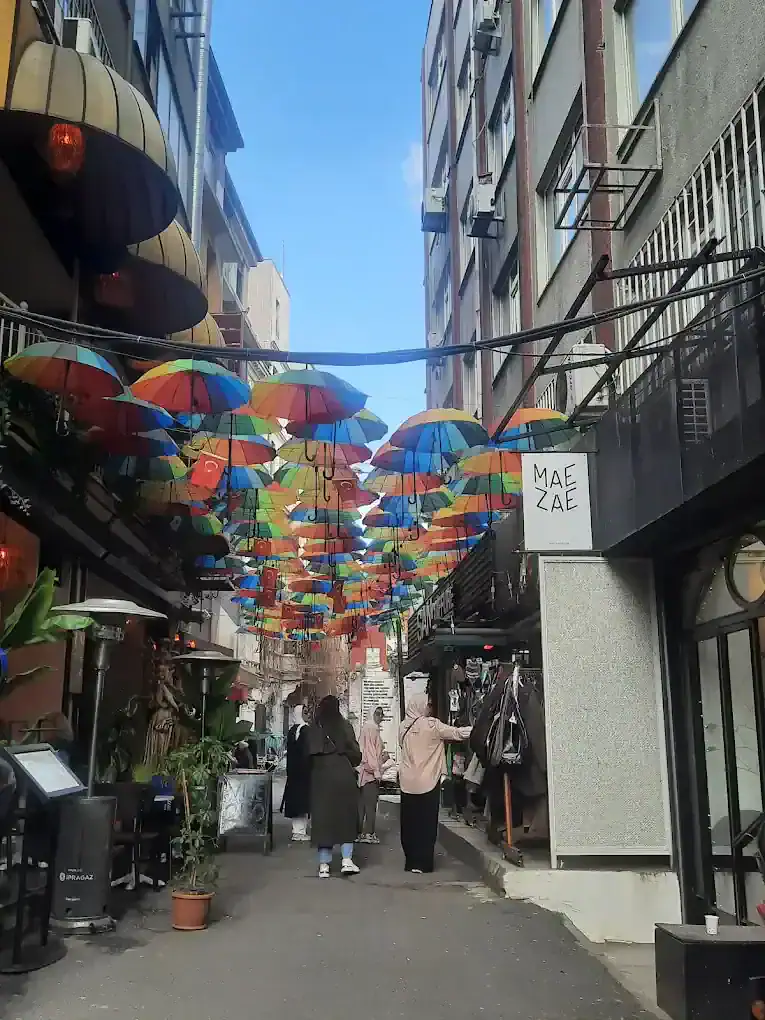
Most people walk right past Mae Zae. That’s kind of the point.
There’s no flashy signage screaming for attention, no window display trying to pull you in off the street. Just a narrow doorway on a quiet Karaköy backstreet and a staircase heading down into what feels less like a shop and more like someone’s ridiculously well-curated basement apartment. If you’re building out your own list of Istanbul’s design destinations, this is the one that rewards actually slowing down and looking for it.
So let’s get into what Mae Zae actually is, what you’ll find once you’re down those stairs, and — just as importantly — the small details that keep first-time visitors from getting the most out of it.
This is a part of our guide Istanbul for Design Lovers: Studios, Concept Stores & Galleries.
What Exactly Is Mae Zae?
Mae Zae is a concept store tucked into a historic han (a traditional Ottoman-era commercial building) in Karaköy, dealing in handmade jewelry, home goods, vintage furniture, and small-batch design objects from local Turkish designers. Think of it less as a retail shop and more as a curated life space — the kind of place where the person who put it together clearly bought everything because they loved it first, and decided to sell it second.
Choose best excursion in Istanbul
The store describes itself as a space built around handmade work and creative collaboration, where local designers’ original, handcrafted pieces sit alongside vintage furniture and everyday objects — and where the space doubles as a venue for hands-on design workshops. That framing matters, because it tells you what you’re walking into: this isn’t a souvenir shop with “local” slapped on the label. It’s closer to a gallery that happens to sell things.
If you’ve spent any time exploring Karaköy’s design cluster — Los Ninos Toys, Kemankeş Caddesi’s concept stores, the Istanbul Modern area — Mae Zae fits right into that ecosystem. It’s one of the neighborhood’s original “concept store” anchors, and it’s outlasted a lot of newer arrivals; write-ups of the shop go back roughly a decade, which for a small independent boutique in a fast-turning-over neighborhood is a genuine track record.
The Instagram account behind the store frames it simply as “a space to share,” curated by someone who picks up pieces she’s personally fallen for — which lines up with how the shop actually feels once you’re inside. It doesn’t read like inventory selected by a buying committee. It reads like one person’s taste, expanded into a room you can walk through.
Finding Mae Zae: Address, Hours, and Getting There
Here’s the practical information, straight from the source, so you’re not relying on outdated blog posts (a real risk with this particular shop — more on that below):
- Address: Kemankeş Karamustafapaşa Mahallesi, Hoca Tahsin Sokak, Akçe Han No.16-A, 34425 Karaköy, Istanbul
- Phone: +90 212 288 7768
- Hours: Open daily, 11:00–20:00
- Nearest transit: Karaköy tram stop (T1 line), a short walk from the Galata Bridge and Istanbul Modern
Getting there is easy on paper — Karaköy is compact and walkable — but the store itself is easy to miss. It sits inside a han, which in Ottoman commercial architecture means a building with a shared entrance leading to multiple small businesses or workshops. You’re not looking for a storefront with a big glass window; you’re looking for a doorway and a staircase heading down.
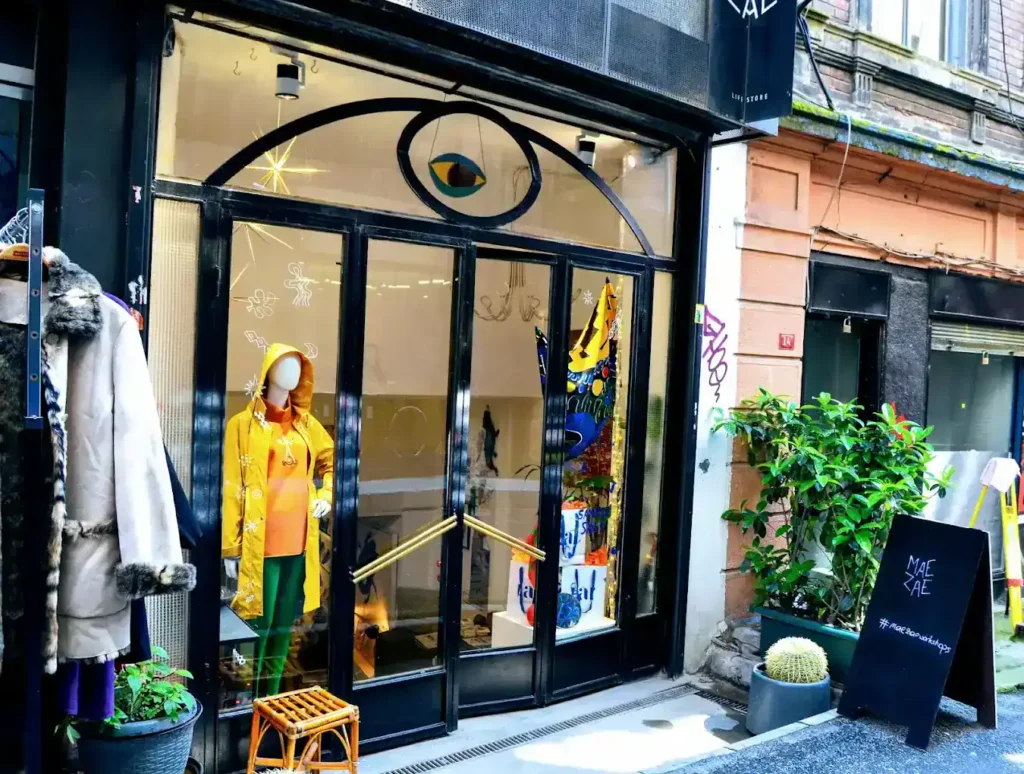
Practical tip: Have the address typed into Google Maps before you arrive, or better yet, save the pin. Hoca Tahsin Sokak has a few similar-looking doorways, and Mae Zae doesn’t rely on visual signage to pull foot traffic the way a typical retail unit would.
Stepping Inside: What the Space Actually Feels Like
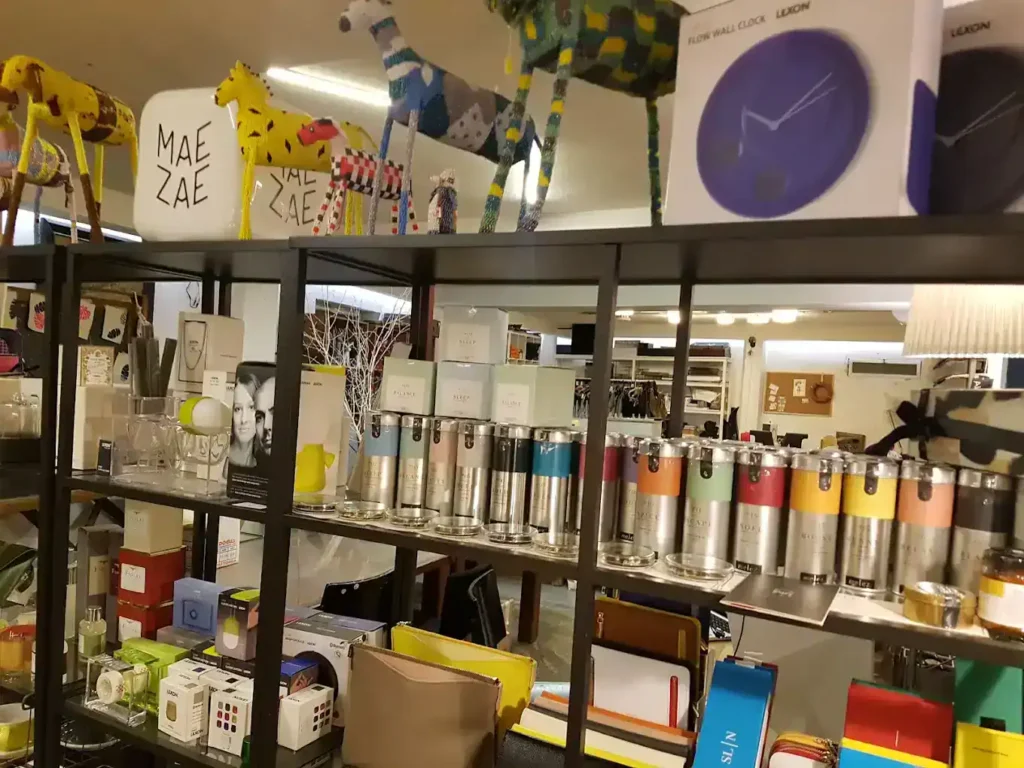
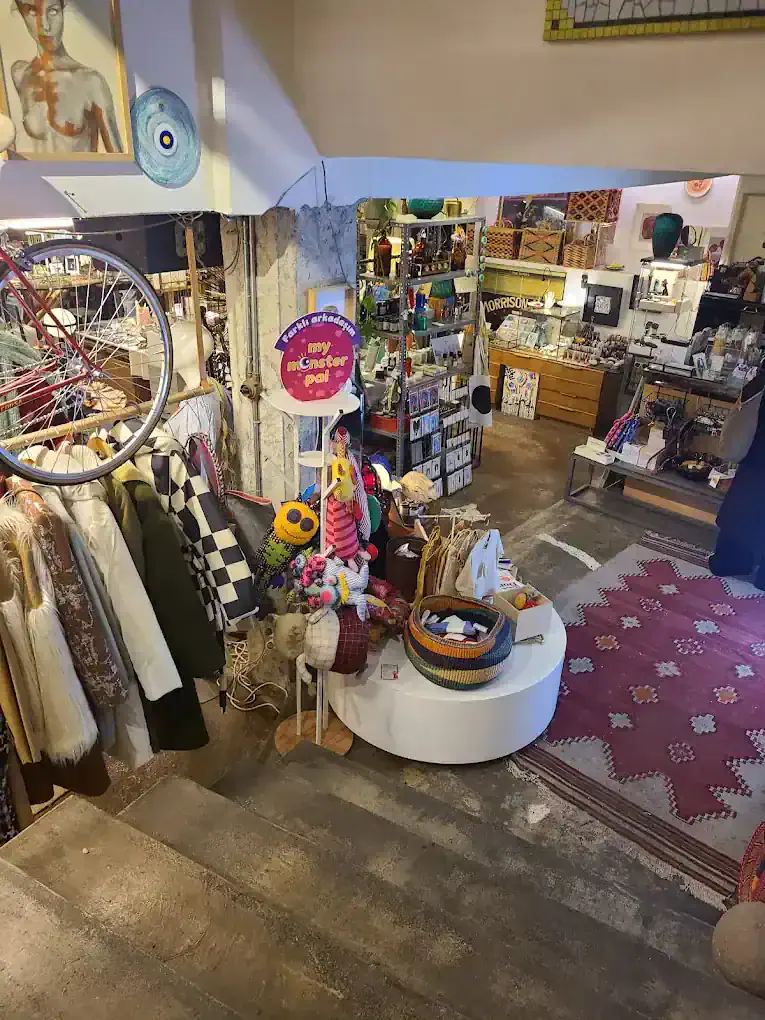
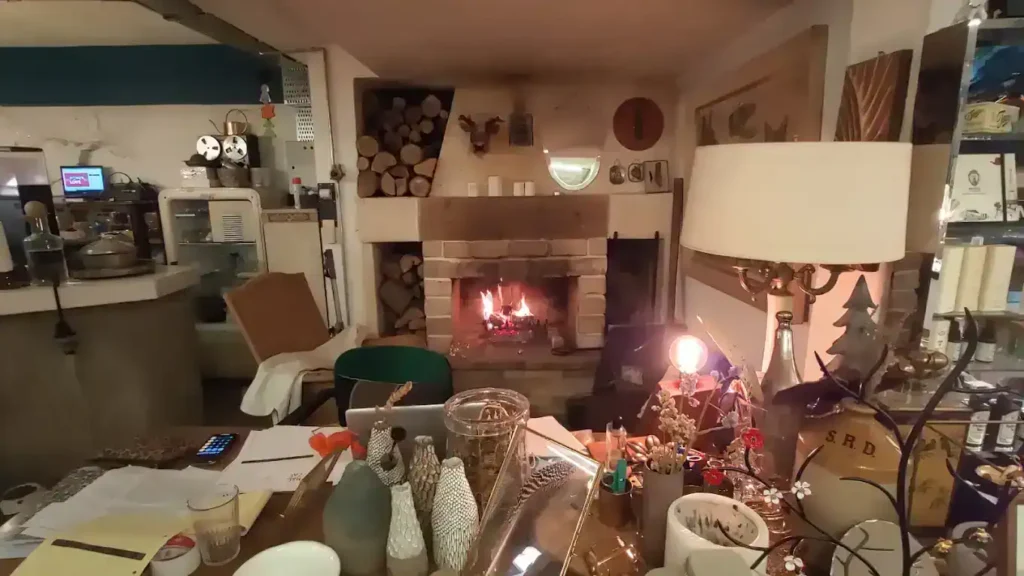
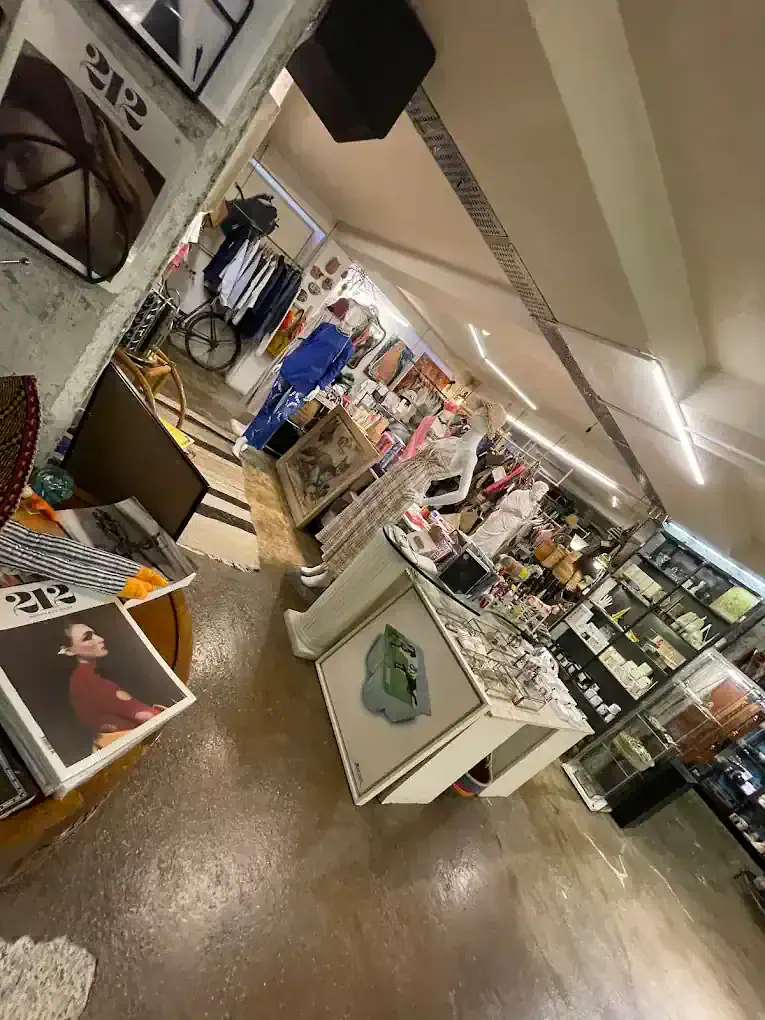
This is where Mae Zae earns its reputation. You take the stairs down, and the transition is immediate — street noise fades, and you’re standing in what genuinely reads as a converted basement loft rather than a shop floor. There’s a fireplace. There’s vintage furniture arranged like someone actually lives there. And then, layered into all of it, there’s the merchandise: handmade jewelry cases, ceramics, leather bags, sunglasses, books, candles, and design objects, packed in with enough density that you could easily spend an hour and still not have looked at everything.
It’s a lot to take in on a quick pass. That’s the honest truth about Mae Zae — it doesn’t reward speed-shopping. The layout isn’t organized the way a department store is organized, with clear category zones and price tags shouting at you from every angle. It’s closer to browsing a collector’s home, which means the good stuff is often on a side table or tucked into a shelf you’d walk past if you’re moving too fast.
One detail that comes up repeatedly in visitor accounts: the basement setting creates an oddly intimate, unhurried atmosphere — closer to visiting a friend’s apartment than shopping a retail floor, complete with unexpected touches like specialty bath products and a small coffee corner mixed in among the design pieces. It’s an unusual combination, and it’s exactly why people describe it as one of Karaköy’s more distinctive stops rather than just another gift shop.
Stay connected during your trip
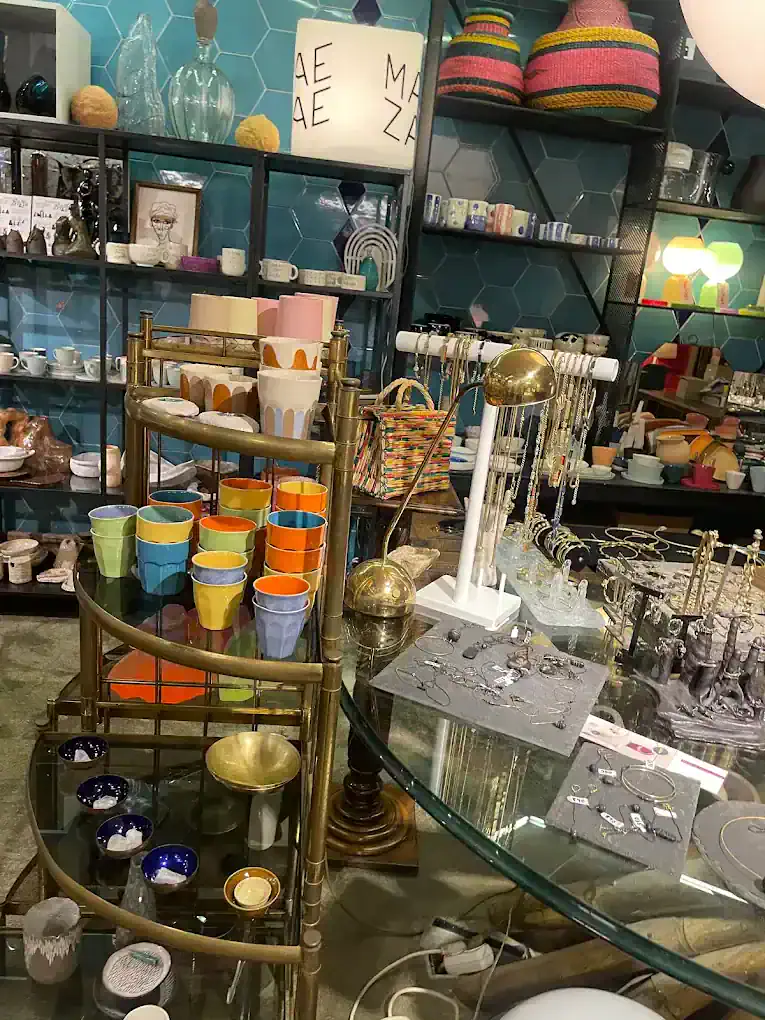
That density is worth calling out clearly, because it changes how you should approach the space. This isn’t a boutique where every item gets its own spotlit shelf. Objects sit close together — a stack of ceramics next to a rail of vintage jackets, jewelry cases beside stationery — which means the browsing experience rewards patience over efficiency. If you’re used to the clean, spaced-out merchandising of a typical Western concept store, the adjustment takes a few minutes. Once it clicks, though, it’s part of what makes the place feel lived-in rather than staged for retail.
Lighting is another small but real factor: as a basement space, natural light is limited, so the atmosphere leans warm and a little dim rather than bright and gallery-white. It suits the vintage furniture and handmade jewelry well, but it’s worth knowing in advance if you’re planning to photograph purchases on the spot — you may get better shots stepping back out onto the street.
What You’ll Actually Find on the Shelves
Handmade Jewelry — The Signature Piece
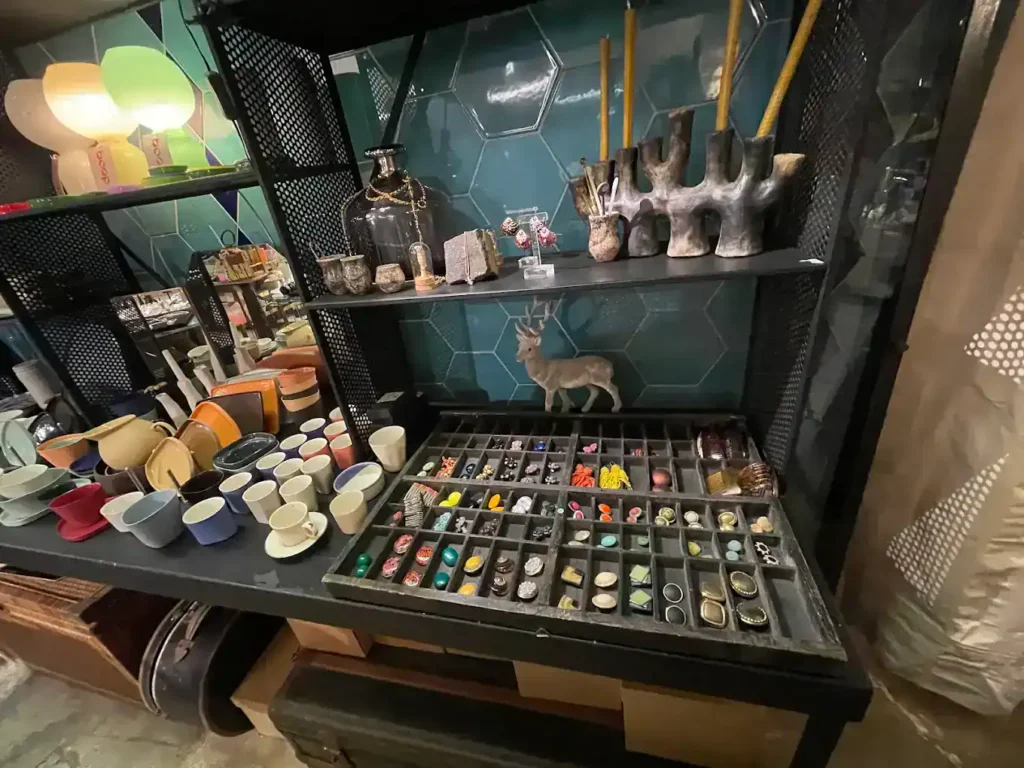
This is Mae Zae’s strongest category, and the one worth knowing about before you go. The store’s own jewelry line is entirely handmade — earrings formed by hand using old-fashioned techniques without molds, made from silver and finished with 24-karat gold plating. The deliberately lightweight construction is part of the design philosophy, meant to make statement-sized pieces genuinely comfortable to wear all day, not just look good in a display case.
Beyond the house line, the store curates work from a rotating roster of independent local jewelry designers, so the selection changes regularly. If you see something you love, there’s a real chance it won’t be there next time you visit — that’s part of the appeal, and part of the risk.
Home Goods, Ceramics, and Décor
Alongside the jewelry, expect ceramics, decorative objects, candles, incense, natural skincare products, and small art pieces and prints. This is where the “life space” framing really shows — a lot of what’s on offer feels chosen for how it fits into a home, not just how it photographs on a shelf.
Vintage Furniture and One-Off Finds
Vintage furniture pieces are woven throughout the space — some for sale, some simply part of the store’s own décor. This is one of the details that separates Mae Zae from a standard concept store: you’re browsing among the furniture, not around it.
Textiles, Books, and Accessories
Rounding things out: clothing, bags, sunglasses, notebooks, stationery, and books. None of these categories dominate, which is exactly the point — Mae Zae is built around breadth and curation rather than depth in any single product line.
The Workshops: A Detail Most Guides Skip
Here’s a nuance that generic “top concept stores” listicles almost never mention: Mae Zae regularly hosts hands-on design workshops, led by the designers themselves, covering handmade crafts and jewelry-making techniques. If you’re planning a longer Istanbul stay rather than a single day-trip through Karaköy, it’s worth checking their Instagram or emailing ahead to see what’s scheduled — these sessions aren’t always advertised on the main website, and availability shifts week to week.
This is a genuinely different way to experience the store versus just shopping it. You’re not buying a finished object; you’re spending an afternoon with the person who makes them.
Mistakes First-Time Visitors Make (and How to Avoid Them)
Trusting the wrong address. Because Mae Zae has been written about for years, older blog posts and directory listings sometimes carry outdated or slightly conflicting address details. Always cross-check against the store’s current official page before you head out — Karaköy’s narrow streets make even a small address discrepancy annoying to sort out on foot.
Walking past the entrance. There’s no large signage designed to catch tourist foot traffic. You’re looking for a doorway leading to a basement staircase, not a storefront window.
Treating it like a quick souvenir stop. If you’re budgeting fifteen minutes, skip it — you won’t see enough to make it worthwhile. This is a browse-slowly kind of place.
Assuming everything is bargain-priced because it’s “local.” Handmade, small-batch design work — especially the house jewelry line — is priced at what you’d expect for genuinely handcrafted goods, not mass-produced tourist trinkets. More on that below.
Honest Pricing and Pros/Cons
Mae Zae doesn’t publish a fixed price list, and individual piece pricing varies by designer and material — which makes sense for a store built around rotating, small-batch, handmade work rather than standardized inventory. As a general expectation: this sits in the mid-to-premium range for handmade jewelry and design objects in Istanbul, not the budget end of the market. Given how much the Turkish lira has moved in recent years, any specific price figures should be verified on-site or via their official channels before you rely on them — this is one of those categories where a number quoted even a few months ago can be meaningfully out of date.
Pros:
- Genuinely unique, small-batch pieces you won’t find at a mall or bazaar stall
- Strong support-local-designers angle if that matters to your purchasing decisions
- Atmosphere alone makes it worth the visit, even if you don’t buy anything
- Workshops offer a hands-on experience most concept stores don’t
- Central Karaköy location, easy to pair with a Galata or Istanbul Modern day
Cons:
- Easy to miss due to minimal street presence
- Dense merchandising can feel overwhelming on a first visit
- Prices reflect handmade quality — not a budget souvenir option
- Inventory changes frequently, so a specific piece you saw online may not be in-store
- Best experienced slowly, which doesn’t suit a tight itinerary
How Mae Zae Fits Into Istanbul’s Wider Design Scene
Karaköy has quietly become one of Istanbul’s design hubs over the past decade, and Mae Zae is one of the neighborhood’s more established anchors — it’s been part of that “coolest concept stores in Istanbul” conversation for years, alongside spots doing streetwear, design furniture, and independent galleries in the surrounding blocks. If you’re mapping out a design-focused day in the area, it pairs naturally with a walk through Kemankeş Caddesi and a stop at Istanbul Modern, which sits just a few minutes away.
Practical Visit Tips
- Best time to go: Late morning on a weekday, when the small space is least likely to feel crowded.
- How long to budget: At least 30–45 minutes if you actually want to look at everything.
- Pair it with: Istanbul Modern, the Galata Bridge fish market stalls, or a longer wander through Karaköy’s café and design-store cluster.
- Before you go: If you’re interested in a workshop, reach out via phone (+90 212 288 7768) or check their Instagram (@maezae) for the current schedule, since sessions rotate and aren’t always listed on the main site.
- Payment: As with most independent Istanbul boutiques, having a card on hand is standard, though it’s worth carrying some cash as a backup for smaller purchases.
Final Thoughts
Mae Zae isn’t trying to be easy. There’s no big sign, no obvious storefront, and no neat product grid to scroll through. What you get instead is a genuinely curated space where handmade jewelry, vintage furniture, and local design objects sit together in a way that feels personal rather than commercial. If you’re the kind of traveler who likes finding things rather than being handed them, it’s one of Karaköy’s most rewarding stops — just go in with some time to spare, and don’t trust the first address you find online.